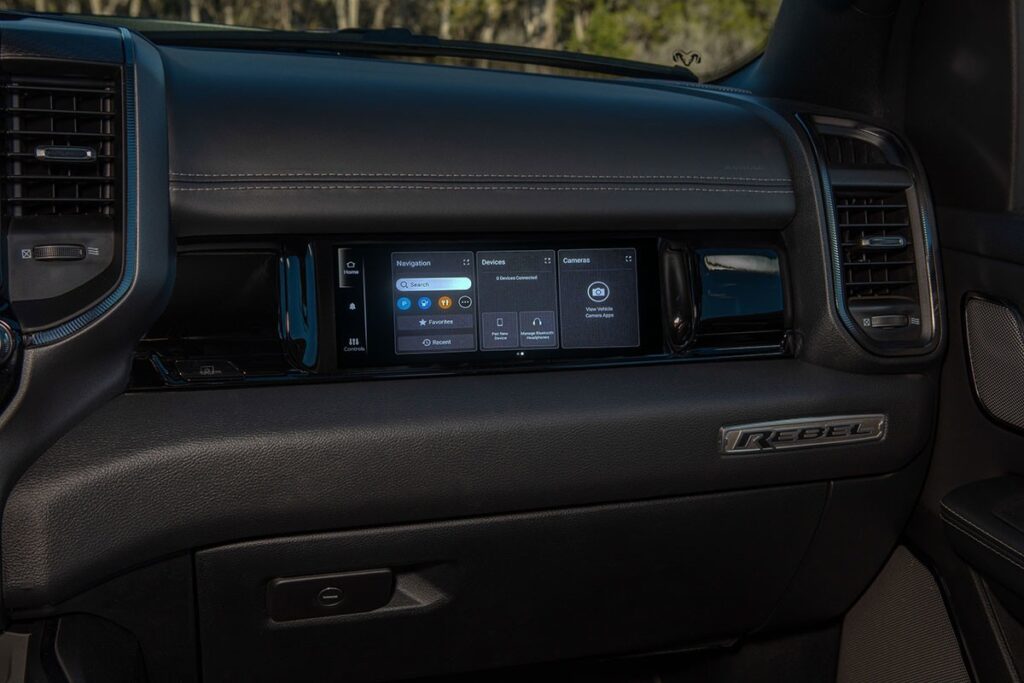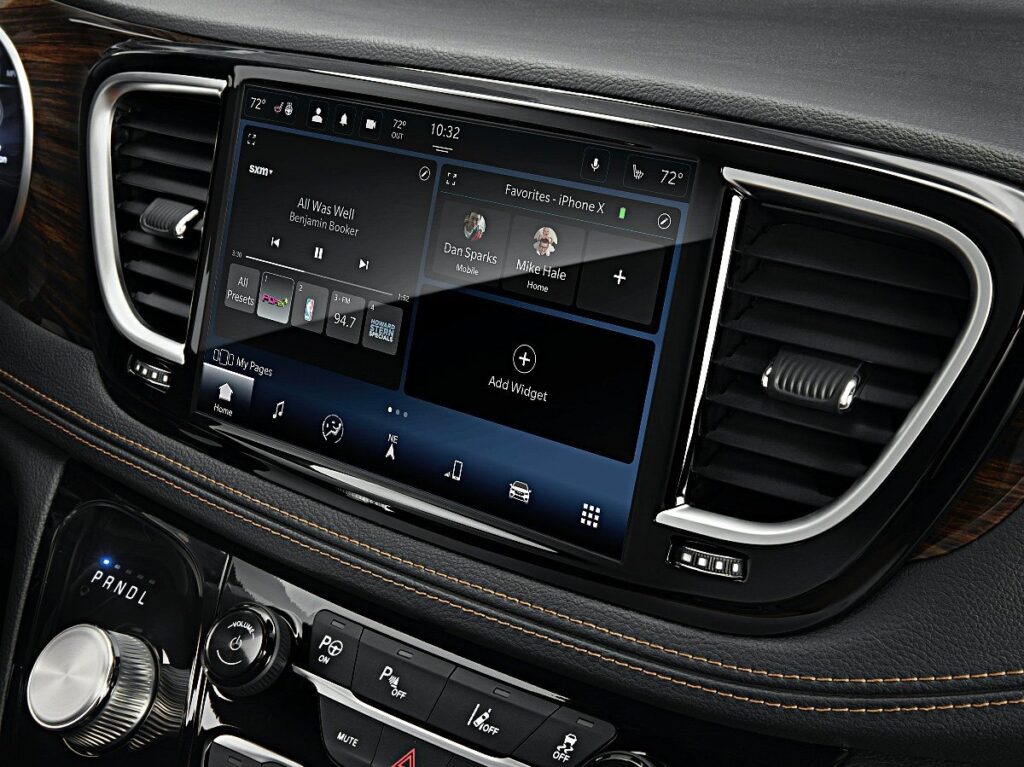

If you’ve ever started your vehicle on a cold morning and noticed the touchscreen responding slowly, freezing, or taking longer to load, you’re not alone. This is a common behavior in modern vehicles, especially in colder climates.
While it may seem like a fault in the system, touchscreen lag in cold weather is often a result of how electronic components react to low temperatures.
How Cold Temperatures Affect Electronics
Electronic systems rely on precise electrical signals to function correctly. In cold conditions, these signals can behave differently. Components such as processors, memory chips, and capacitors may take longer to reach optimal operating conditions.
Low temperatures can also increase electrical resistance and slow down the response time of certain components. As a result, the system may take longer to process inputs and respond to touch commands.
Display Technology and Temperature Sensitivity
Most modern vehicle touchscreens use capacitive technology, similar to smartphones. These screens detect touch through changes in electrical charge.
In cold weather, the materials within the screen — including the glass and conductive layers — can become less responsive. This can make touches feel delayed or less accurate until the system warms up.
Additionally, the display itself may refresh more slowly at lower temperatures, contributing to the perception of lag.
Slower Software Initialization
Cold weather can also affect how quickly the infotainment system boots up. When the vehicle starts, the system must load software, initialize modules, and establish communication across the network.
In colder conditions, this process can take longer. The system may prioritize essential functions first, delaying full touchscreen responsiveness until everything is properly initialized.
Battery Performance and Voltage Levels
Temperature has a direct impact on battery performance. In cold weather, battery output is reduced, which can affect the voltage supplied to electronic systems during startup.
Lower voltage levels can slow down system initialization and reduce processing efficiency temporarily. This can contribute to delayed touchscreen response until the electrical system stabilizes.
Why Newer Systems Still Experience This
Even advanced infotainment systems are not immune to temperature-related delays. Larger screens, higher-resolution displays, and more complex software require greater processing power.
As systems become more sophisticated, they may become slightly more sensitive to environmental conditions. However, most systems are designed to normalize performance once the vehicle warms up.
When It Might Be a Problem
Occasional lag in cold weather is normal. However, if the touchscreen remains unresponsive for extended periods, freezes frequently, or fails to recover after the vehicle warms up, it may indicate a deeper issue.
In such cases, software updates, system resets, or further diagnostics may be required.
Final Thoughts
Touchscreen lag in cold weather is a natural side effect of how electronic systems operate under low temperatures. It does not necessarily indicate a fault or failure.
As the vehicle warms up and systems reach their optimal operating range, performance typically returns to normal. Understanding this behavior helps set realistic expectations and highlights the complexity of modern vehicle electronics.