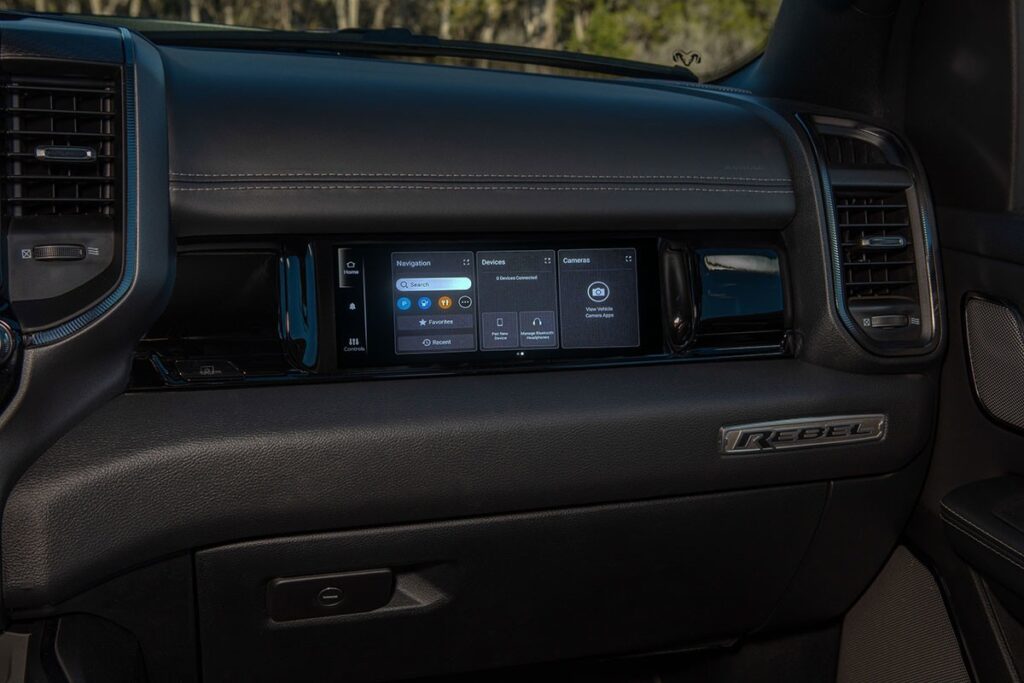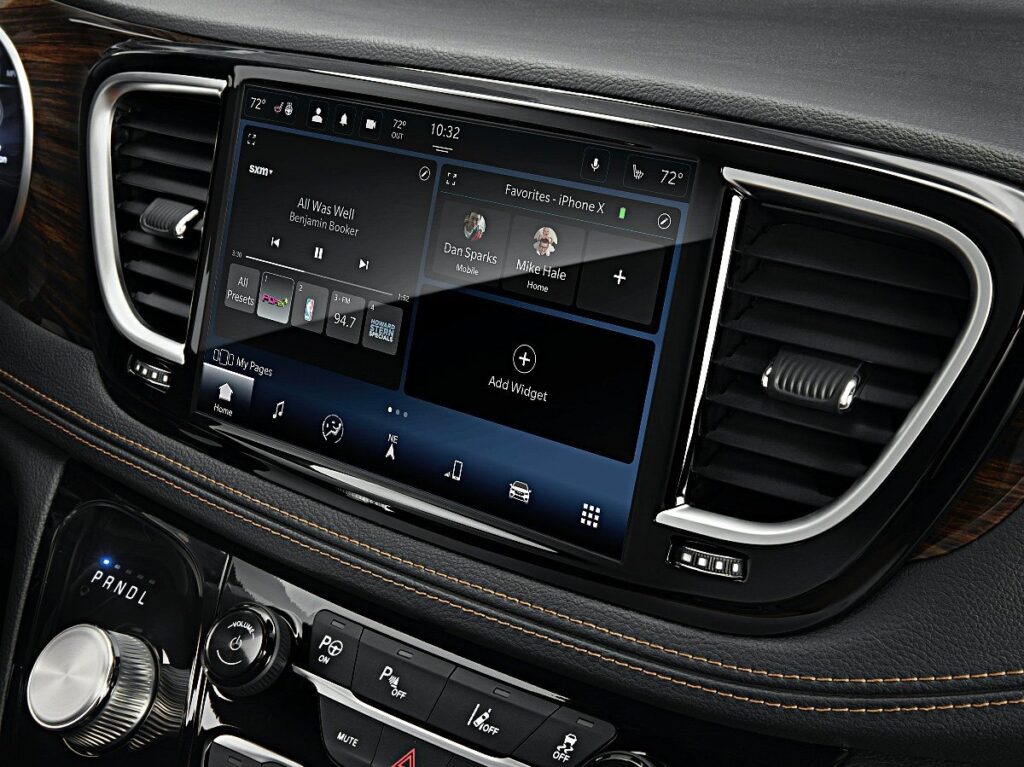
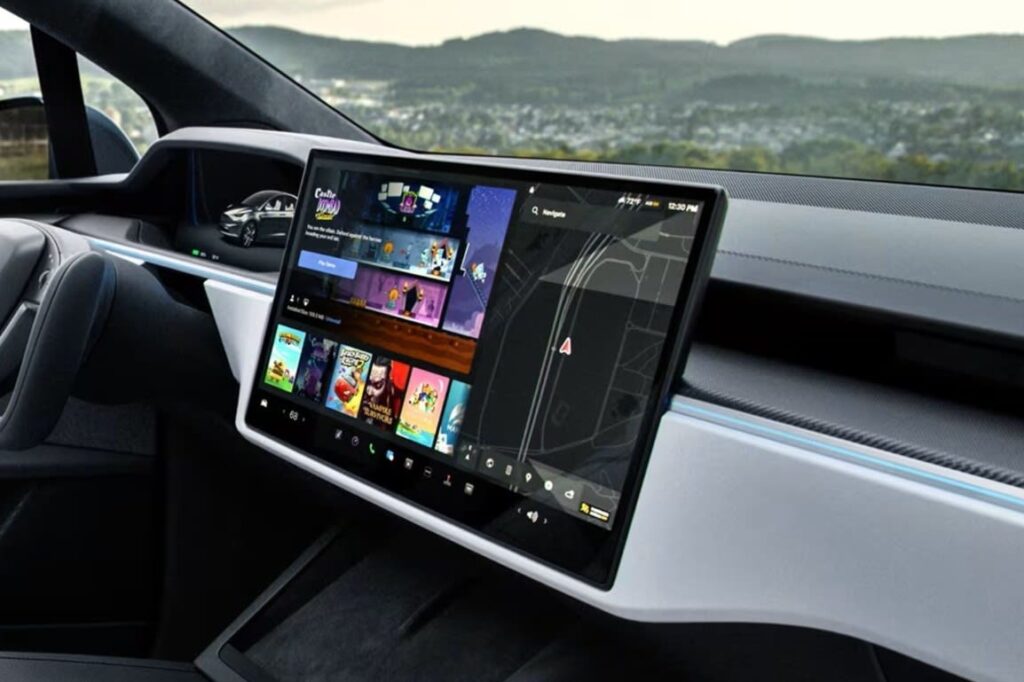
Walk into almost any new vehicle showroom today and one thing is immediately obvious: physical buttons are disappearing. Climate controls, radio knobs, drive modes, and even basic vehicle functions are now handled through large touchscreens. What started as a luxury trend has quickly become the industry standard.
So why are automakers moving away from knobs and buttons — and is this shift actually good for drivers?
The Push Toward Digital Interiors
The biggest reason is simple: software has become the heart of modern vehicles. Touchscreens allow automakers to control more functions through software rather than hardware, making interiors easier to update, customize, and scale across multiple models.
Instead of designing dozens of physical controls for each trim level, manufacturers can deploy:
One screen
One interface
Multiple software configurations
This dramatically reduces complexity during development and production.
Cost and Manufacturing Efficiency
While touchscreens may look expensive, they can actually lower long-term costs for automakers.
Physical buttons require:
Individual components
Wiring
Mechanical testing
Multiple suppliers
A touchscreen consolidates all of that into a single unit. Changes that once required new hardware can now be handled with a software update. This is especially important as vehicles move toward centralized computing and software-defined architectures.
Over-the-Air Updates Changed Everything
Touchscreens enable something buttons never could: over-the-air updates.
With software-based controls, automakers can:
Improve layouts
Add new features
Fix bugs
Change visuals
Introduce new vehicle functions
All without requiring a dealership visit. This flexibility is one of the strongest arguments for digital interfaces.
Cleaner Design and Brand Identity
From a design standpoint, touchscreens allow for:
Minimalist dashboards
Cleaner lines
Fewer visual distractions
Easier differentiation between brands
Manufacturers like Tesla, GM, Ford, and BMW are using screens as a core design element — not just a control surface, but a visual identity piece.
The Downsides Drivers Are Pointing Out
Despite the advantages, many drivers are pushing back.
Common complaints include:
More time spent looking away from the road
Multiple taps required for simple tasks
Lack of tactile feedback
Poor usability while wearing gloves
Screen lag or system crashes affecting basic functions
Studies and driver feedback suggest that some touchscreen-heavy layouts may actually increase distraction compared to physical controls.
Why Buttons Haven’t Fully Disappeared (Yet)
Interestingly, automakers are starting to adjust. Some brands are reintroducing hybrid layouts, keeping physical buttons for:
Volume
Climate temperature
Defrost
Hazard lights
This suggests the future isn’t touchscreen-only — but rather a balance between digital flexibility and physical usability.
What This Means for the Future
As vehicles become more software-driven, touchscreens are here to stay. However, automakers are learning that good user experience matters just as much as cost savings.
The next generation of interiors will likely focus on:
Better UI design
Faster processors
Voice control to reduce touch input
Smarter layouts that minimize distraction
Select physical controls where they make sense
Final Thoughts
Automakers didn’t remove knobs and buttons just for style — they did it to support software-defined vehicles, OTA updates, and scalable design. But as driver feedback grows louder, the industry is realizing that technology must serve usability, not replace it.
The future dashboard won’t be button-heavy or screen-only. It will be intentional, blending digital control with physical feedback where it matters most.