Voice control in cars has existed for years, but it was often clunky, slow, and limited to a handful of commands. That’s changing fast. In 2024–2025, automakers are rolling out AI-powered voice assistants that behave less like rigid command systems and more like real conversational co-pilots.
From infotainment and navigation to climate control and vehicle diagnostics, voice assistants are becoming one of the most important interfaces in modern vehicles.
From Command-Based to Conversational
Early voice systems required drivers to memorize exact phrases. Say the wrong word, and the system failed. Today’s AI voice assistants use natural language processing (NLP) and cloud-based learning, allowing drivers to speak normally.
Instead of:
“Navigation. Enter address.”
Drivers can now say:
“Take me to the nearest charging station.”
The system understands context, intent, and follow-up questions — a major shift in usability.
Who’s Leading the Charge
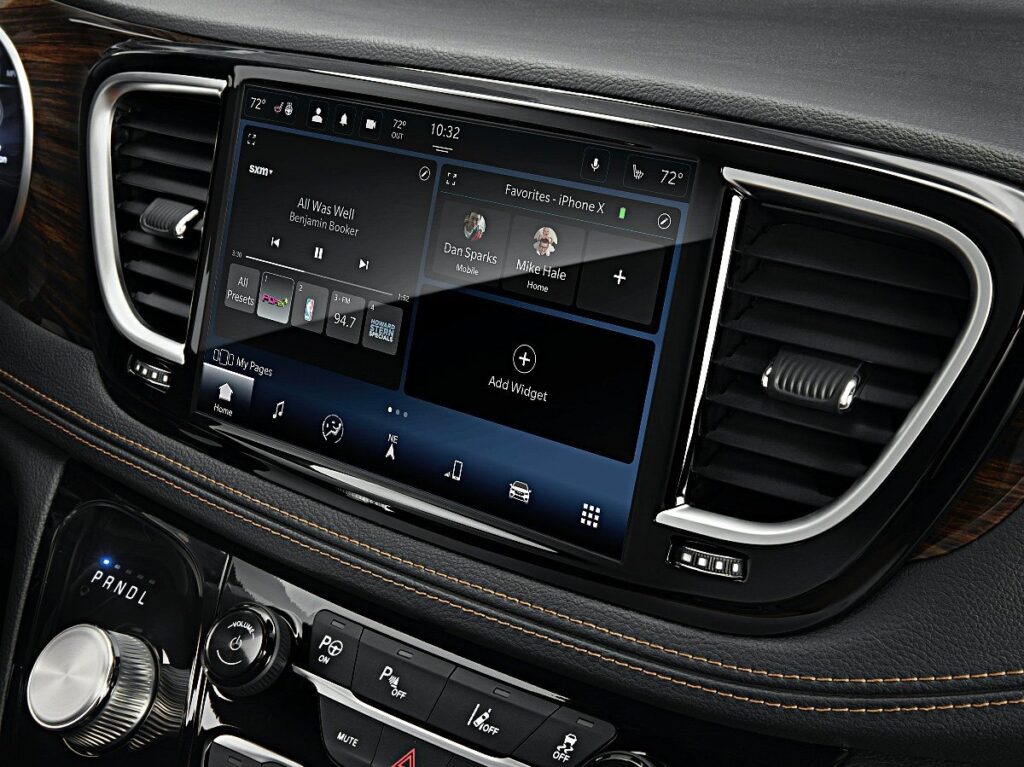
Stellantis (Uconnect 5 + Alexa)
Uconnect 5 integrates Amazon Alexa, allowing drivers to:
Control music and navigation
Adjust climate settings
Access smart-home devices
Ask general knowledge questions
The system improves over time through cloud updates and supports hands-free operation across multiple vehicle brands.
Ford (SYNC 4 / Future SYNC Platforms)
Ford’s SYNC voice system focuses on:
Faster speech recognition
Cloud-based language processing
EV-aware commands (charging, range, routing)
Ford is expected to expand AI capabilities further with its next-generation SYNC platform, potentially incorporating generative AI features.
GM (Google Built-In / Ultifi)
GM has adopted Google Assistant in many newer vehicles, enabling:
Highly accurate conversational voice commands
Google Maps and Assistant integration
Voice-controlled apps and vehicle functions
Because it runs on Android Automotive, the assistant continues improving without hardware changes.
BMW (iDrive + Intelligent Personal Assistant)
BMW’s assistant goes beyond infotainment:
Learns driver habits
Adjusts vehicle behavior automatically
Integrates with driving modes and safety systems
BMW positions voice as a primary control method, not just a convenience feature.
Why Automakers Are Investing in Voice AI
Reduced Driver Distraction
Voice control keeps eyes on the road and hands on the wheel.Fewer Physical Buttons
As dashboards become cleaner and more screen-focused, voice replaces switches and knobs.Personalization
AI assistants can recognize individual drivers and adapt responses, preferences, and vehicle settings.Software-Defined Vehicles
Voice becomes the easiest way to interact with constantly evolving software features.
Beyond Infotainment: What Voice Can Control Now
Modern AI voice assistants can handle:
Navigation and traffic rerouting
Media selection and streaming
Climate control and seat adjustments
Vehicle diagnostics and alerts
EV charging and energy management
Smart-home integration
In some vehicles, voice can even trigger software updates or explain warning messages in plain language.
What’s Next for In-Car Voice Assistants
The next phase will likely include:
Generative AI for more human responses
Multi-step conversations and memory
Proactive suggestions (“You’re low on fuel — want to stop here?”)
Deeper integration with ADAS and driving modes
Offline AI processing for faster response and privacy
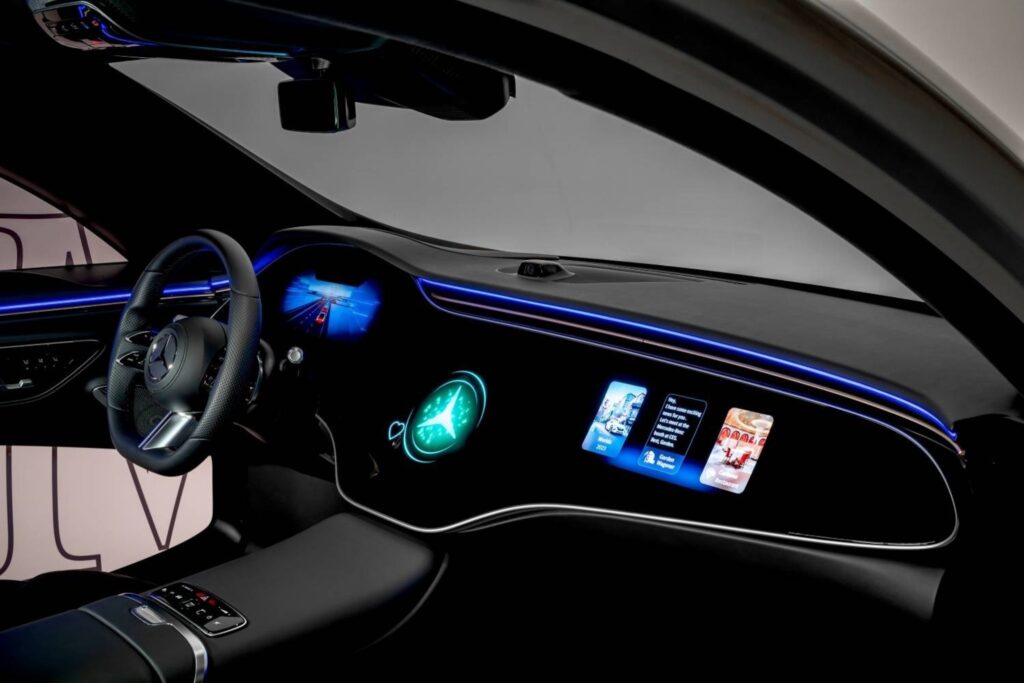
Automakers are also experimenting with assistants that visually respond on-screen, blending voice and graphics seamlessly.
The Takeaway
AI voice assistants are no longer gimmicks — they’re becoming the primary interface between drivers and vehicles. As cars continue evolving into software-driven platforms, voice will play a central role in how drivers interact with everything from entertainment to safety systems.
For automakers, a smart voice assistant isn’t optional anymore. It’s a competitive advantage.