Modern vehicles rely on dozens of electronic control modules working together to manage everything from engine performance to infotainment and safety systems. What once required a few simple electronic units has evolved into a sophisticated network of computers communicating continuously throughout the vehicle.
This growing complexity reflects the transformation of vehicles from primarily mechanical machines into highly integrated digital systems.
What Control Modules Do
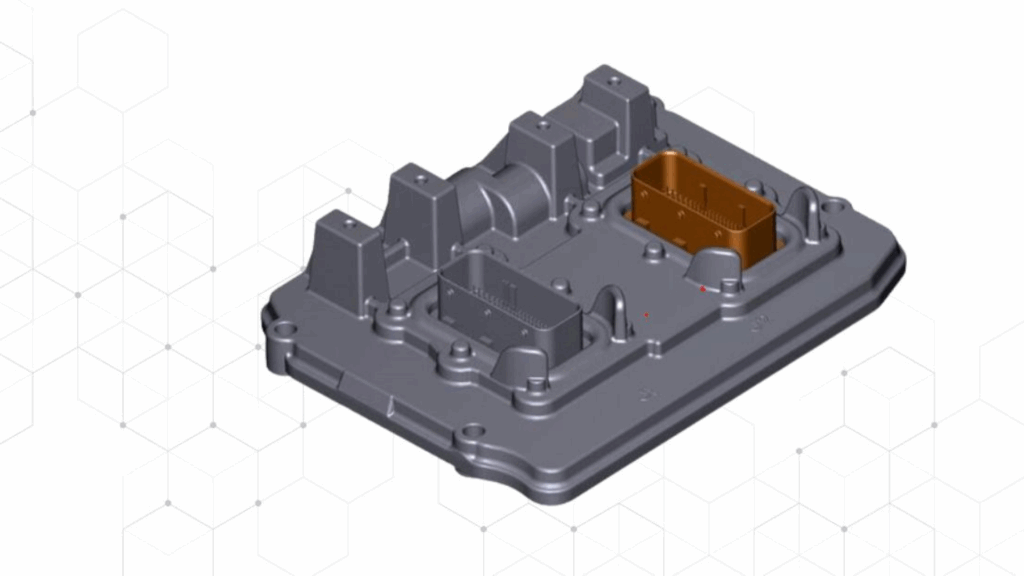
Control modules are specialized computers responsible for managing specific vehicle functions. Each module processes data from sensors, communicates with other systems, and executes commands in real time.
Examples of common control modules include the engine control module (ECM), body control module (BCM), transmission control module (TCM), airbag control module, and infotainment control unit. Each module operates independently but must also communicate with the rest of the vehicle to ensure coordinated operation.
As vehicles gain more technology, the number of these modules continues to increase.
How Vehicle Networks Connect Everything
Modern vehicles use communication networks such as CAN (Controller Area Network), LIN, and increasingly automotive Ethernet to connect control modules together. These networks allow different modules to share information quickly and reliably.
For example, when a driver presses the accelerator, the signal may pass through multiple systems. The throttle input might be processed by the engine control module, verified by stability control systems, and coordinated with the transmission control module. All of this happens in fractions of a second through electronic communication networks.
Because of this interconnected design, modules must be carefully configured to work with one another.
Why New Vehicles Use More Modules Than Ever
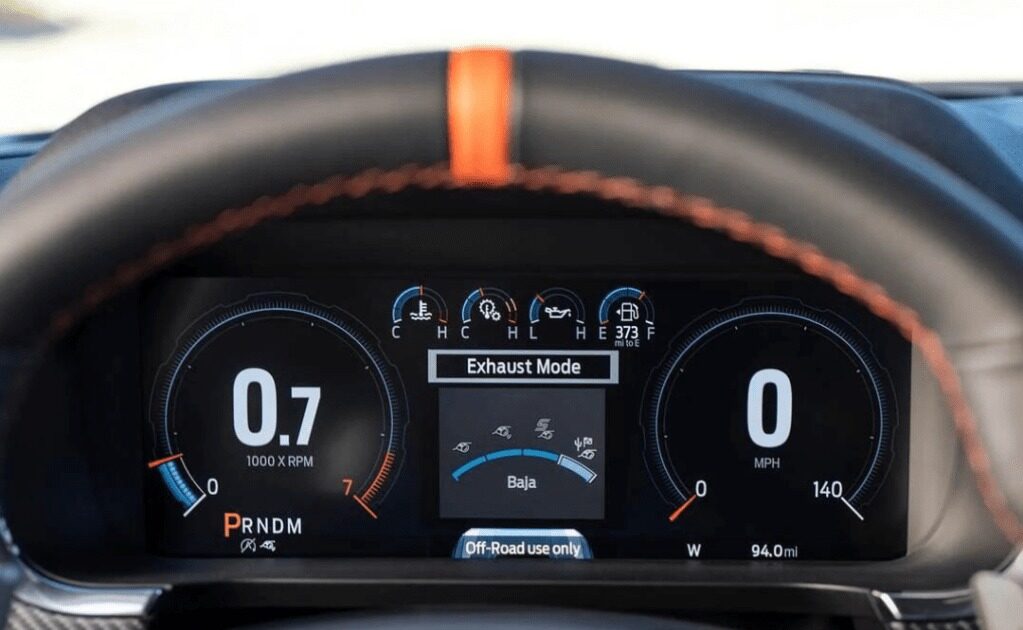
The rise in electronic features has dramatically increased the number of modules inside vehicles. Advanced driver assistance systems, digital instrument clusters, infotainment platforms, wireless connectivity, camera systems, and electric powertrains all require dedicated computing hardware.
Luxury and high-tech vehicles may contain more than one hundred electronic control units. Even mainstream vehicles now include far more electronics than cars produced just a decade ago.
Each new feature adds another layer of software and hardware integration.
The Shift Toward Centralized Computing
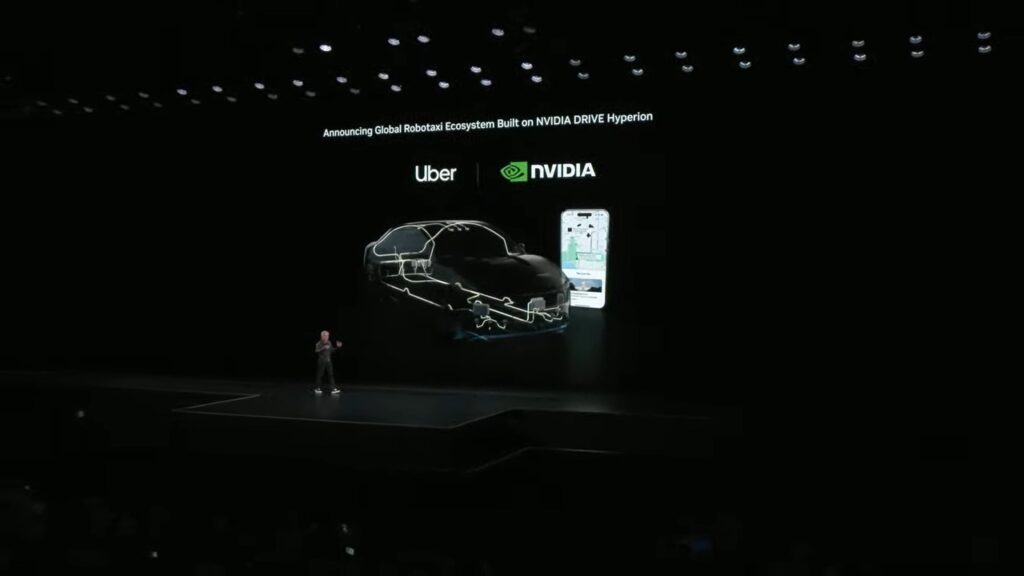
While the number of control modules has grown, automakers are beginning to rethink this architecture. Many new platforms are transitioning toward centralized computing systems that consolidate multiple functions into fewer, more powerful computers.
Instead of dozens of independent modules, future vehicles may rely on several high-performance domain controllers that manage entire categories of systems such as powertrain, driver assistance, or infotainment.
This shift simplifies wiring, reduces weight, and enables faster software updates.
Programming and Configuration Challenges
With so many interconnected modules, programming has become a critical part of vehicle electronics. Each module must be configured to match the vehicle’s VIN, trim level, and installed equipment.
Incorrect programming can lead to features not functioning properly or communication errors between modules. As a result, many upgrades and repairs now require specialized diagnostic tools and software.
This is why replacing or upgrading electronic components in modern vehicles often involves more than simply installing new hardware.
The Future of Vehicle Electronics
As vehicles continue evolving toward software-defined platforms, control modules will play an even larger role in how cars operate. Over-the-air updates, advanced driver assistance features, and integrated infotainment systems all rely on complex electronic architecture.
The increasing complexity of control modules reflects the broader transformation of the automotive industry. Vehicles are becoming highly sophisticated digital platforms, and the systems controlling them are growing more advanced every year.
Understanding how these modules interact is becoming essential for technicians, engineers, and anyone working with modern automotive technology.