Passenger screens are quickly moving from novelty feature to serious interior technology in modern pickup trucks. What once seemed like an experiment reserved for luxury SUVs is now appearing in high-trim trucks from major manufacturers. This shift reflects something much larger than added entertainment — it highlights how pickups are evolving into fully digital, software-driven vehicles designed for more than just work.
The Evolution of Pickup Interiors
Today’s trucks are no longer single-purpose machines. They serve as daily commuters, long-distance travel vehicles, family haulers, and mobile offices. As manufacturers push interiors further into luxury territory, they are looking for ways to enhance the experience for every occupant, not just the driver. Passenger screens are a direct result of that evolution, offering a dedicated digital space for the front passenger without interfering with the driver’s focus.
How Modern Passenger Screens Work
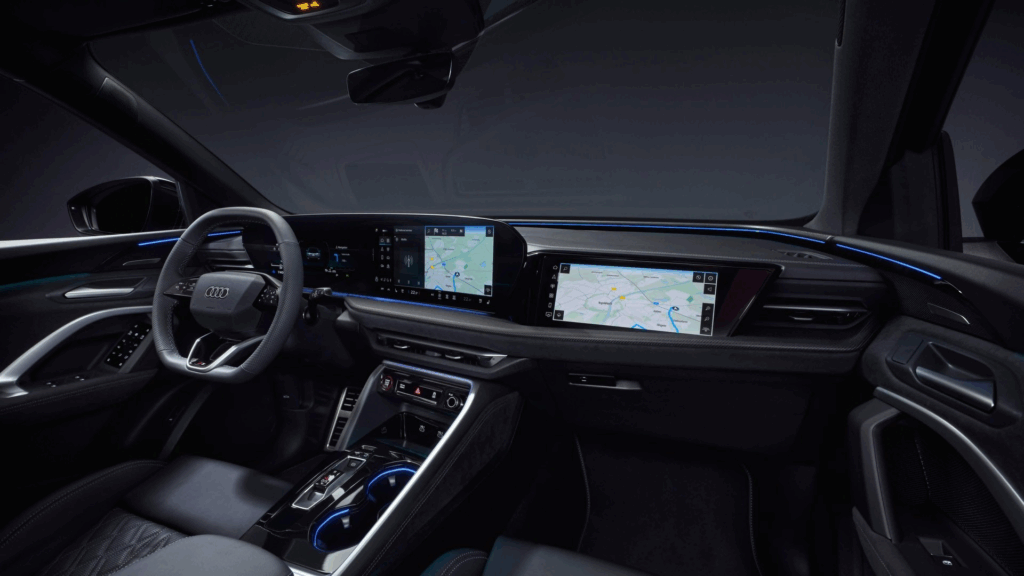
Unlike simple mirrored displays, modern passenger screens are deeply integrated into the vehicle’s infotainment system. They connect to the vehicle’s internal network and operate within strict safety parameters that prevent driver distraction. In many systems, a built-in privacy filter ensures that video content is not visible from the driver’s seat while remaining fully clear to the passenger.
These displays are engineered components within the broader digital architecture of the vehicle. They communicate with infotainment modules, navigation systems, and sometimes even camera systems, making them more than just entertainment add-ons.
Real-World Benefits in Pickup Trucks
In practical use, passenger screens offer real advantages. On long drives, the passenger can manage navigation inputs, search destinations, or adjust media without requiring the driver to look away from the road. In work environments, the display can show job site locations, mapping data, or trailer camera feeds.
For families, the screen adds convenience during extended travel. As trucks continue blending utility with comfort, features like this align with the expectations of buyers who want both capability and technology in a single package.
The Criticism and Concerns
Passenger screens are not without skepticism. Some argue that smartphones and tablets already provide similar functionality. Others question whether the additional cost and complexity justify the feature, particularly in trucks that are traditionally seen as work-focused vehicles.
There is also debate about whether passenger screens will remain exclusive to premium trims or eventually become common across mid-range models. Their long-term success will depend on how useful they prove in everyday driving situations.
The Role of Software-Defined Vehicles
The future of passenger screens depends heavily on software. As pickups adopt centralized computing platforms and more powerful processors, adding or expanding display functionality becomes easier through software updates rather than hardware redesigns.
This opens the door to expanded app ecosystems, enhanced personalization, and new digital services delivered over time. The more trucks evolve into connected platforms, the more logical additional screens become.
What Comes Next
Looking ahead, passenger screens in pickups may evolve beyond media control. Future versions could integrate streaming services directly into the vehicle without relying on a connected phone, support wireless headphones, display vehicle performance data, or offer productivity tools.
As augmented reality and advanced navigation systems mature, passenger displays may also assist with trip planning and real-time information sharing within the cabin.
Final Thoughts
Passenger screens represent the next stage of digital cabin development. Large center touchscreens were once considered excessive in trucks, yet they are now common. Passenger displays may follow a similar path.
Whether they become standard equipment or remain a premium differentiator will depend on customer demand and real-world usefulness. What is clear is that pickup interiors are becoming increasingly digital, and passenger screens are part of that transformation.