Vehicles are no longer just mechanical machines supported by electronics. They are rapidly becoming software platforms on wheels, powered by fully integrated operating systems that control nearly every function in the vehicle. From infotainment and driver assistance to powertrain behavior and connectivity, the shift toward unified vehicle operating systems is redefining how cars are built, updated, and experienced.
This transition marks one of the most significant changes in automotive history.
What Is a Vehicle Operating System?
A vehicle operating system is the central software layer that manages communication between all electronic components in a vehicle. Instead of dozens of independent modules working separately, a unified system coordinates:
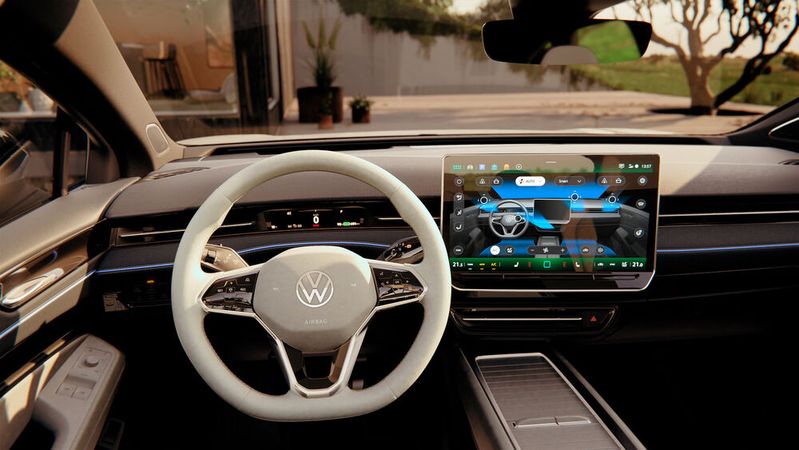
Infotainment and user interfaces
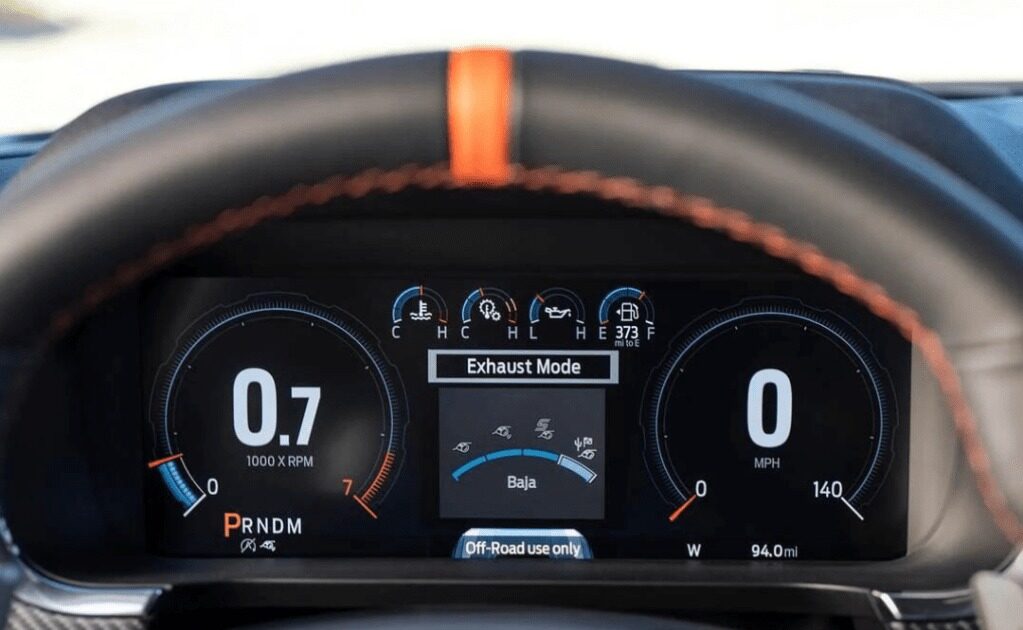
Digital instrument clusters
Driver assistance systems
Climate and comfort controls
Battery and powertrain management
This approach allows all systems to work together seamlessly rather than operating in isolation.
Moving Away From Fragmented Systems
Traditional vehicles rely on many separate control units, each with its own software. This fragmented setup creates complexity, slower updates, and limited integration between systems.
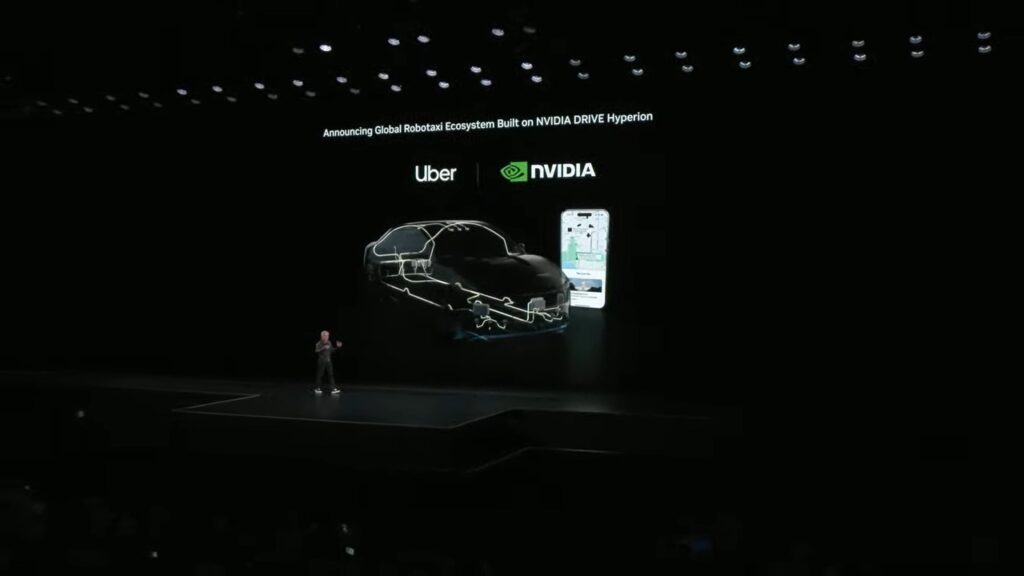
Fully integrated operating systems aim to replace this with centralized control. By consolidating functions into fewer, more powerful computing units, automakers can simplify vehicle architecture and improve overall performance.
This shift also reduces wiring complexity and allows faster communication between systems.
Software-Defined Vehicles
At the core of this evolution is the concept of the software-defined vehicle. In this model, hardware becomes a platform, while software determines functionality.
Features can be:
Added after purchase
Updated over time
Customized based on driver preferences
Enabled or disabled through software
This changes the ownership experience. Vehicles are no longer static products — they evolve continuously through updates.
Over-the-Air Updates as a Standard Feature
Fully integrated operating systems make over-the-air updates far more powerful. Instead of updating only infotainment systems, automakers can now update:
Vehicle performance settings
Driver assistance features
Battery efficiency and charging behavior
User interface layouts
This allows manufacturers to fix issues, improve features, and introduce new capabilities without requiring a dealership visit.
Deeper Integration Across Systems
A unified operating system allows tighter integration between different vehicle systems. For example, navigation can communicate with battery management to optimize EV range. Driver assistance systems can use real-time map data to improve performance. Infotainment systems can display detailed vehicle diagnostics.
This level of integration improves both functionality and user experience.
Challenges and Concerns
Despite its advantages, this shift introduces new challenges. Increased reliance on software raises concerns about cybersecurity, system reliability, and long-term support. A single software issue could potentially affect multiple vehicle functions.
There is also growing concern around feature locking, subscriptions, and limited aftermarket upgrade options as automakers gain more control over software systems.
What This Means for the Future
The move toward fully integrated operating systems is reshaping the automotive industry. Companies are investing heavily in in-house software development, partnerships with tech firms, and new computing architectures.
Future vehicles will likely operate more like smartphones, with app ecosystems, continuous updates, and cloud connectivity playing a central role.
Final Thoughts
Fully integrated vehicle operating systems represent the foundation of next-generation automotive technology. They enable smarter features, better performance, and continuous improvement over time.
As this technology matures, the focus of innovation will shift from hardware to software — and the vehicles of the future will be defined not just by how they are built, but by how they are programmed.