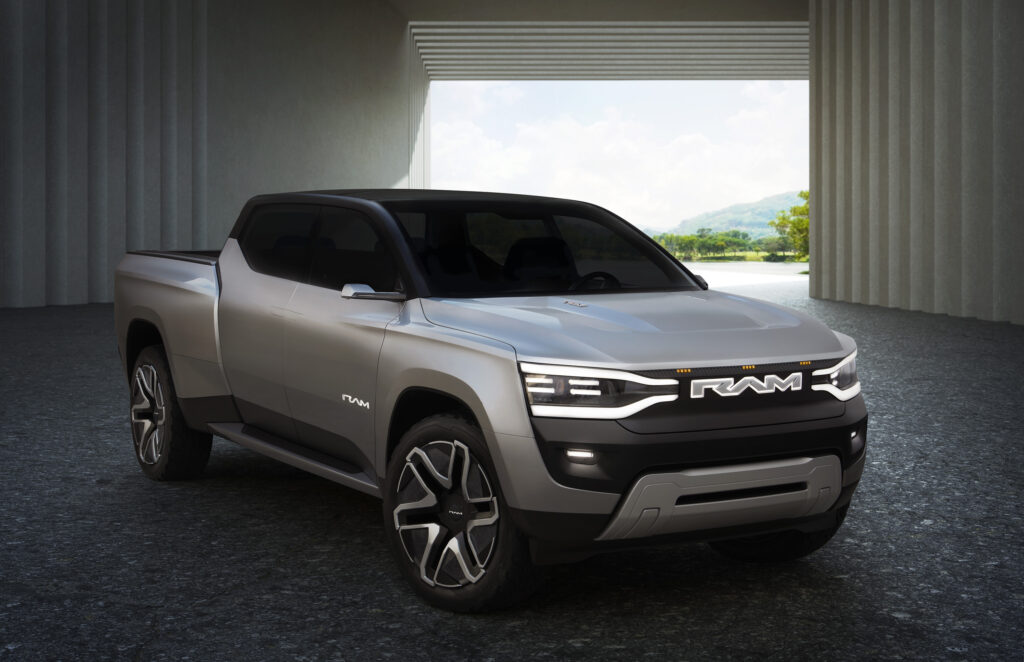
For years, solid-state batteries have been described as the breakthrough that will transform electric vehicles. Automakers frequently showcase concept cars promising longer range, faster charging, lighter weight, and improved safety — all powered by next-generation solid-state battery technology.
But how close are these concept vehicles to real-world production?
What Makes Solid-State Batteries Different?
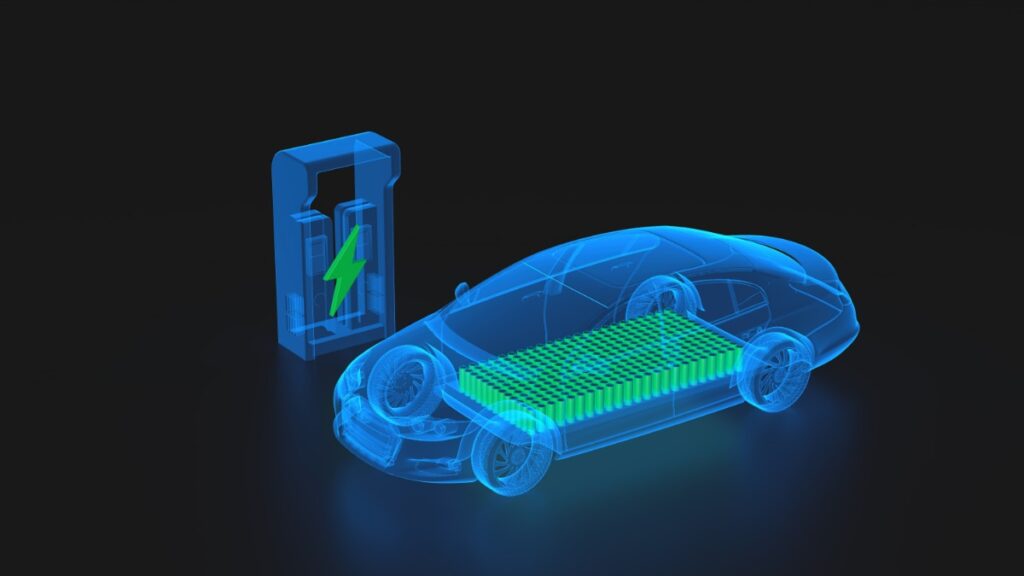
Traditional electric vehicles use lithium-ion batteries with liquid electrolytes. Solid-state batteries replace that liquid with a solid electrolyte, which changes how energy is stored and transferred.
In theory, this shift allows for:
Higher energy density
Faster charging speeds
Reduced fire risk
Longer battery lifespan
Smaller and lighter battery packs
Concept cars featuring solid-state technology often highlight extended driving ranges — sometimes exceeding 600 miles — along with dramatically reduced charging times.
Why Concept Cars Promote Solid-State Technology
Concept vehicles are designed to showcase what’s coming next. Solid-state batteries represent a leap forward not just in range, but in packaging flexibility and performance.
With higher energy density, automakers can:
Reduce battery size while maintaining range
Lower overall vehicle weight
Improve performance and efficiency
Redesign vehicle architecture
This opens the door to thinner battery floors, lighter sports cars, and even improved towing capacity in electric trucks.
The Manufacturing Challenge
Despite the promise, solid-state batteries face significant production hurdles. Manufacturing solid electrolytes at scale remains complex and expensive. Many prototypes perform well in lab conditions but struggle with durability and temperature stability in real-world environments.
Scaling production requires:
New manufacturing equipment
Advanced material sourcing
Improved longevity testing
Cost reduction strategies
Until these barriers are overcome, solid-state technology will likely remain limited to demonstration vehicles and small pilot production runs.
Which Automakers Are Working on It?
Several major manufacturers are actively developing solid-state batteries. Toyota, BMW, Nissan, Mercedes-Benz, and others have all announced partnerships or in-house research programs. Some brands have stated target release windows in the late 2020s, while others suggest early 2030s for broader availability.
Concept cars shown at auto shows often preview these battery developments — but those vehicles typically use prototype cells rather than production-ready packs.
What This Means for EV Buyers
For consumers, solid-state batteries represent the next evolutionary step in electric mobility. However, current lithium-ion systems continue to improve rapidly, closing the gap in energy density and charging speed.
In the near term, expect:
Improved lithium-ion battery chemistry
Better battery management software
More efficient thermal systems
Faster DC charging infrastructure
Solid-state may arrive in limited high-end models first, possibly luxury vehicles or performance EVs, before becoming mainstream.
Are We Close?
Solid-state battery concept cars are closer to reality than they were five years ago, but widespread adoption is not imminent. Most experts expect initial production vehicles equipped with solid-state technology to appear toward the end of this decade in limited numbers.
Until then, solid-state batteries remain a powerful symbol of where electric vehicle technology is heading — lighter, faster, safer, and more efficient.
Final Thoughts
Solid-state battery concept cars represent genuine technological progress, but they are still part of a transitional phase in EV development. While the promises are impressive, practical deployment depends on solving manufacturing and cost challenges.
The technology is coming — just not as quickly as some concept vehicles might suggest.