General Motors is making a significant shift in how drivers interact with vehicle infotainment — Apple CarPlay and Android Auto are on the way out. Starting with electric vehicles and expanding across the entire lineup, GM plans to eliminate support for the popular phone-projection platforms in favor of its own integrated software experience. MotorTrend+1
What GM Announced
According to MotorTrend, GM confirmed that no future vehicles — gas or electric — will support Apple CarPlay or Android Auto once its next-generation centralized computing platform debuts, expected on the 2028 Cadillac Escalade IQ and later models. MotorTrend
Initially, the phase-out began with GM’s Ultium-based EVs (such as the Blazer EV, Equinox EV, and Silverado EV), which have never supported CarPlay or Android Auto because GM opted for an Android Automotive-based infotainment system instead. MotorTrend
Why GM Is Making the Change
GM’s decision stems from a broader strategy to build a software-defined vehicle ecosystem where the company controls the user interface and data flow rather than relying on third-party phone projection. This strategy is partly driven by:
Deeper integration with vehicle systems, including EV range, charging status, and ADAS features that CarPlay/Android Auto can’t access. MacRumors
Data ownership and analytics, allowing GM to gather usage insights and tailor services without depending on Apple and Google. MotorTrend
A transition toward centralized computing platforms that promise improved performance and future features beyond what phone projection can offer. Car Dealership Guy News
While GM acknowledges there’s no technical barrier preventing CarPlay or Android Auto support, the company believes its own infotainment stack — increasingly built on Android Automotive and future AI assistants — offers better synergy with modern vehicle systems. MacRumors
What This Means for Drivers
For buyers who prioritize phone mirroring, this change could be controversial:
Existing vehicles that currently support CarPlay/Android Auto will retain that functionality for their lifespan. Autoblog
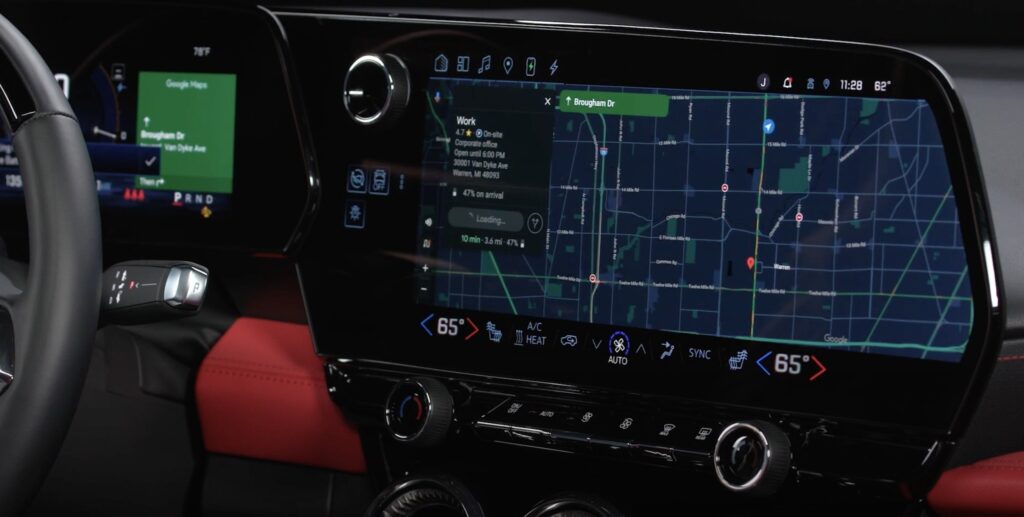
Newer GM EVs already lack support, meaning owners must rely on built-in apps (e.g., Google Maps via Android Automotive or native streaming apps). MotorTrend
Gas and hybrid models will continue to support CarPlay/Android Auto “for the foreseeable future,” but the feature is still slated to be phased out with the rollout of centralized platforms through the late 2020s. Autoblog
GM has also introduced native apps such as Apple Music in 2025-model vehicles to partially fill the gap left by CarPlay and Android Auto. However, this doesn’t replace the full phone-projection ecosystem many drivers have grown accustomed to. Yahoo! Autos
Industry Context
GM is not alone in exploring alternatives. Some EV-focused brands like Tesla and Rivian never supported Apple CarPlay or Android Auto, opting instead for their own infotainment ecosystems from the start. MotorTrend
Analysts point out that carmakers increasingly want direct access to usage data and the ability to push software updates, features, and services without relying on external middleware — a shift enabled by software-defined architecture. MotorTrend
However, drivers and online communities have been vocal about their dissatisfaction, with many owners calling the removal of CarPlay and Android Auto a deal breaker in their purchasing considerations. Yahoo! Autos
Bottom Line
GM’s decision to retire Apple CarPlay and Android Auto reflects a broader industry trend toward fully integrated vehicle software ecosystems, but it also raises questions about consumer preferences and flexibility. Drivers who rely on phone mirroring may need to adjust expectations or consider other brands — at least until GM’s new infotainment platforms have had time to mature.