Modern vehicles are no longer just machines — they are constantly connected systems generating and transmitting data. From driving behavior and location tracking to infotainment usage and vehicle diagnostics, today’s cars collect more information than ever before.
As connectivity increases, a critical question emerges: who actually owns this data?
What Data Do Modern Vehicles Collect?
Connected cars gather a wide range of data through sensors, control modules, and onboard systems. This includes information such as:
- Vehicle location and GPS history
- Driving habits like speed, braking, and acceleration
- Infotainment usage and connected devices
- Diagnostic and maintenance data
- Camera and sensor inputs for driver assistance systems
This data is used to improve performance, enable features, and enhance the overall driving experience. However, it also raises concerns about privacy and control.
Who Has Access to the Data?
In most cases, multiple parties can access vehicle data. Automakers collect information to improve products, monitor performance, and deliver over-the-air updates. Dealerships may access diagnostic data for service and maintenance. Third-party apps and connected services can also gather information depending on user permissions.
In some cases, insurance companies and fleet operators may use vehicle data to monitor driving behavior. This creates a complex ecosystem where data is shared across different platforms and stakeholders.
The Ownership Debate
The central issue is not just who can access the data, but who actually owns it.
Many automakers treat vehicle data as part of their ecosystem, meaning they control how it is collected, stored, and used. Drivers, on the other hand, often assume that because they own the vehicle, they also own the data it generates.
This disconnect has led to ongoing debates about user rights, transparency, and control. In many regions, regulations are still catching up with the rapid advancement of connected vehicle technology.
Privacy and Security Concerns
As vehicles become more connected, privacy concerns continue to grow. Data such as location history and driving behavior can reveal sensitive information about a driver’s daily routine.
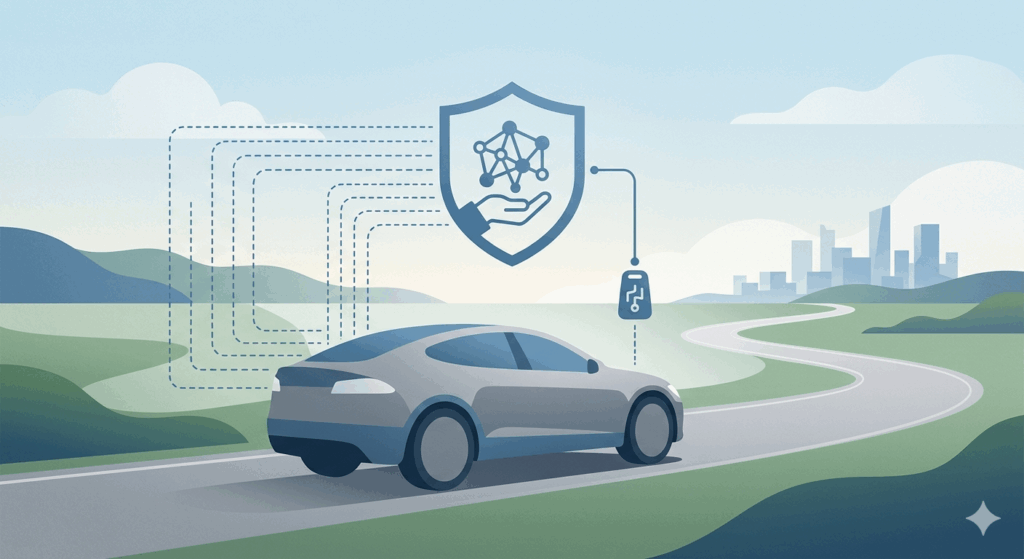
There are also cybersecurity risks. If vehicle data is not properly secured, it could potentially be accessed by unauthorized parties. This is why automakers are investing heavily in encryption, secure gateways, and protected communication systems.
However, no system is completely immune, making data protection an ongoing challenge.
The Role of Software-Defined Vehicles
The shift toward software-defined vehicles is accelerating the importance of data ownership. Features are increasingly controlled through software, and many systems rely on continuous data exchange between the vehicle and cloud services.
This means that data is no longer just stored inside the vehicle — it is part of a larger digital ecosystem. As a result, control over data often extends beyond the physical vehicle itself.
What This Means for Vehicle Owners
For drivers, data ownership affects how much control they have over their vehicle experience. It can influence:
- Which features are available
- How personal data is used
- Whether third-party services can access vehicle information
- How updates and improvements are delivered
Understanding these factors is becoming just as important as understanding horsepower or fuel efficiency.
The Road Ahead
As connected vehicles continue to evolve, data ownership will become a central issue in the automotive industry. Governments and regulatory bodies are beginning to address these concerns, but standards are still developing.
Future solutions may include clearer data ownership policies, improved transparency, and more control for vehicle owners over how their data is used.
Final Thoughts
Data ownership in connected cars is one of the most important and least understood aspects of modern automotive technology. As vehicles become more advanced and more connected, the question is no longer just about how cars drive — it’s about how data is managed, shared, and controlled.
For the industry and consumers alike, finding the right balance between innovation, privacy, and control will define the future of connected mobility.