Concept Hypercars Entering the Electric Era
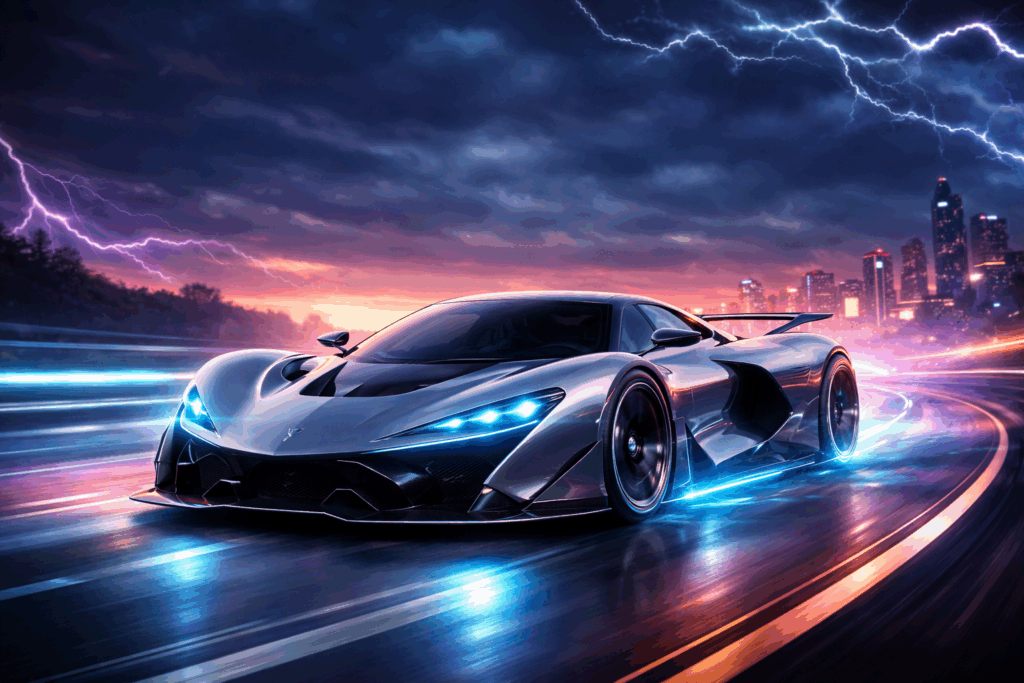
The hypercar segment has always represented the absolute edge of automotive performance. Traditionally dominated by screaming V12 engines and hybrid-assisted powertrains, hypercars are now entering a new phase — full electrification. Concept hypercars are leading this transformation, showcasing what extreme performance looks like without internal combustion.
The electric era is no longer coming. It has arrived.
A New Definition of Performance
Electric concept hypercars are rewriting the performance rulebook. Instant torque delivery eliminates turbo lag entirely, allowing for explosive acceleration from zero. Multiple electric motors enable advanced torque vectoring, distributing power independently to each wheel for unprecedented grip and control.
Many electric hypercar concepts boast output figures exceeding 1,500 horsepower. Some promise 0–60 times under two seconds. These numbers are no longer theoretical — they are engineering targets actively being pursued.
The absence of traditional engines does not mean a reduction in excitement. Instead, it shifts the focus toward precision, responsiveness, and software-controlled performance.
Battery Innovation at the Core
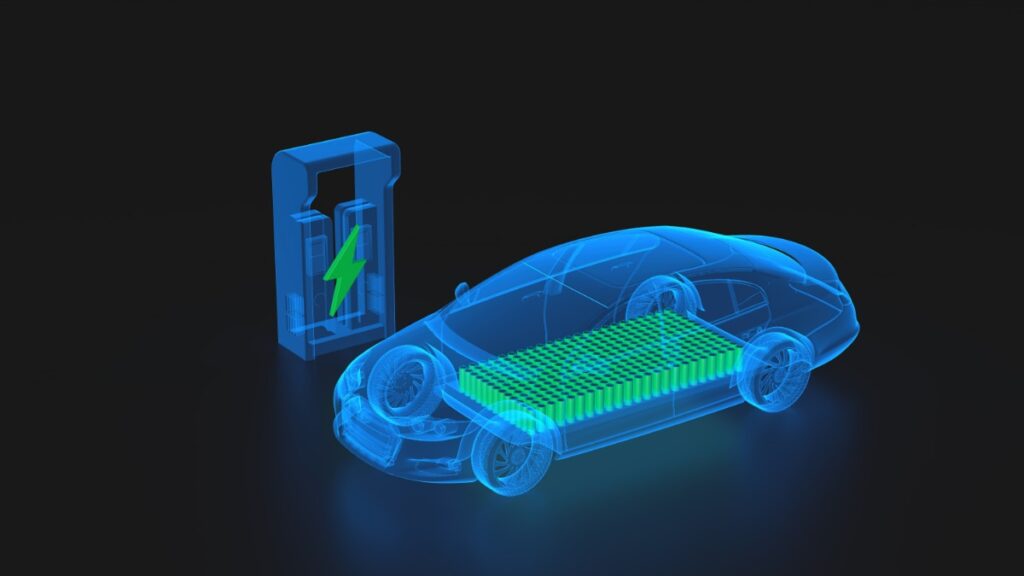
Electric hypercar concepts often serve as test platforms for next-generation battery technology. Solid-state cells, advanced cooling systems, and ultra-fast charging architectures frequently debut in these vehicles.
High-performance EVs demand battery systems capable of delivering enormous power while maintaining thermal stability. As a result, hypercar concepts push advancements in:
Energy density
Cooling efficiency
Lightweight structural integration
High-voltage charging systems
What appears first in hypercar concepts often trickles down into mainstream EV platforms over time.
Aerodynamics Without Compromise
Electric hypercar concepts also allow designers to rethink aerodynamics. Without traditional engine packaging constraints, engineers gain flexibility in airflow management, underbody design, and weight distribution.
Active aerodynamic systems, adjustable diffusers, and intelligent airflow channels are becoming common in concept hypercars. These vehicles use software to dynamically adjust aerodynamic balance depending on speed, braking, and cornering.
The electric platform enables design freedom while improving efficiency at extreme speeds.
Digital Cockpits and Driver Integration
Inside, electric hypercar concepts embrace fully digital environments. Massive curved displays, augmented reality head-up systems, and performance telemetry interfaces dominate the cockpit.
Rather than focusing on traditional mechanical gauges, these interiors emphasize data visualization. Drivers can monitor battery output, torque distribution, regenerative braking, and thermal conditions in real time.
The experience becomes less about engine noise and more about digital feedback and control precision.
Preserving Emotion in an Electric World
One of the biggest challenges for hypercar manufacturers is emotional engagement. Without the sound of a combustion engine, brands must redefine what excitement feels like.
Some concept hypercars experiment with artificial sound design. Others focus on raw acceleration and driver immersion through chassis feedback and steering precision. The goal is not to replicate combustion — it is to create a new form of high-performance identity.
The electric hypercar must feel futuristic without losing soul.
The Road to Production
While many electric hypercars begin as concept vehicles, several are moving toward limited production runs. Early adopters are willing to invest heavily in cutting-edge performance, making hypercars ideal platforms for debuting advanced EV technology.
As battery performance improves and costs decline, the innovations pioneered in hypercar concepts are expected to influence broader electric vehicle development.
Final Thoughts
Concept hypercars entering the electric era represent more than a shift in propulsion. They symbolize a transformation in how performance is defined. Speed, control, software integration, and battery innovation now sit at the center of high-performance design.
The hypercar has always been a glimpse into the future. Today, that future is electric.