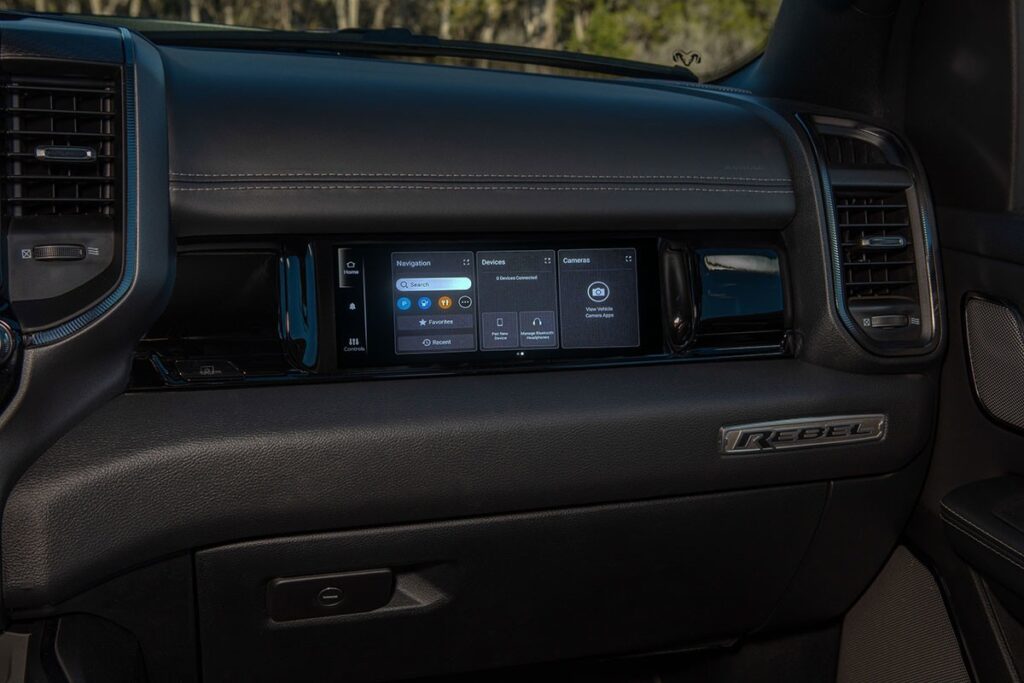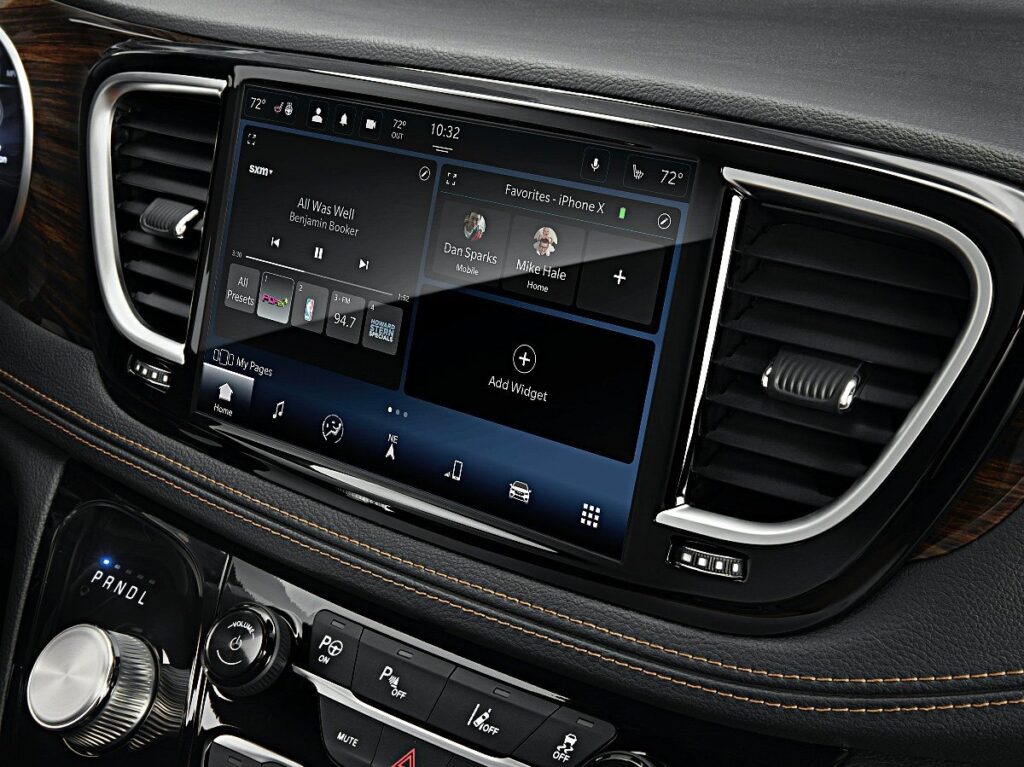
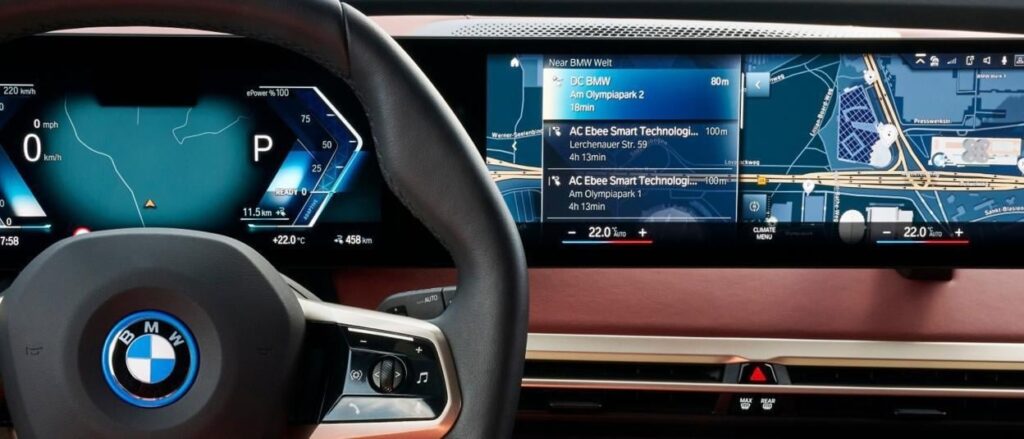
Navigation has become one of the most used features in modern vehicles. Today, drivers typically rely on one of two options: built-in (OEM) navigation or phone-based navigation through Apple CarPlay or Android Auto. While both can get you from point A to point B, they behave very differently — and in 2025, those differences matter more than ever.
So which one is actually more reliable?
What Built-In Navigation Does Well
Built-in navigation systems are deeply integrated into the vehicle. Unlike phone navigation, they have direct access to vehicle data and systems.
Key strengths
Works without a phone
Uses vehicle GPS antennas (often stronger than phones)
Integrates with digital clusters and HUDs
EV routing can account for battery level, range, and charging stops
Continues working in areas with weak cellular service (with downloaded maps)
In newer vehicles, built-in navigation also feeds data to driver-assistance systems, enabling features like predictive cruise control, curve speed adjustment, and lane guidance in the instrument cluster.
Where Built-In Navigation Falls Short
Despite its integration, OEM navigation still has drawbacks:
Map updates may require subscriptions
UI can feel slower or less intuitive than phone apps
Search results (POIs, addresses) are sometimes less accurate
Traffic data quality depends heavily on the provider
Older systems age quickly if updates stop
In some vehicles, built-in navigation looks impressive but feels less flexible than what drivers are used to on their phones.
Why Phone Navigation Is Still So Popular
Phone navigation apps dominate for one simple reason: speed and accuracy.
Key strengths
Real-time traffic from massive user data pools
Faster map updates and route recalculations
Better search results for businesses and addresses
Frequent feature updates at no extra cost
Familiar interface across multiple vehicles
For many drivers, phone navigation feels smarter, faster, and more trustworthy — especially in urban areas with heavy traffic.
Limitations of Phone Navigation
Phone-based navigation isn’t perfect either:
Requires a connected phone
Can drop out in poor signal areas
Relies on phone battery and data
Limited access to vehicle systems
EV routing is often less accurate than OEM systems
Phone navigation also doesn’t always integrate cleanly with digital clusters or head-up displays, depending on the vehicle.
EVs Change the Equation
Electric vehicles highlight the biggest difference between the two approaches.
Built-in navigation can:
Plan routes based on real-time battery state
Recommend compatible charging stations
Adjust arrival estimates dynamically
Trigger battery preconditioning before charging
Phone navigation can’t fully access these systems, which makes OEM navigation significantly more reliable for long EV trips.
Reliability Verdict in 2025
Built-In Navigation is more reliable when:
Driving an EV
Using advanced driver assistance features
Driving long distances or in low-signal areas
You want cluster or HUD integration
Phone Navigation is more reliable when:
Driving in cities with heavy traffic
Searching for businesses or addresses
You want the fastest updates and rerouting
You switch between vehicles often
The Real Winner: Using Both
In 2025, many drivers use both systems together:
Built-in navigation for EV routing, range planning, and cluster display
Phone navigation for traffic avoidance and POI searches
Automakers are slowly moving toward deeper built-in systems, especially as some brands reduce or eliminate phone projection altogether. That makes OEM navigation more important than ever — but phone navigation still sets the standard for real-time intelligence.
Final Thoughts
Built-in navigation has come a long way and is now essential in EVs and software-defined vehicles. Phone navigation still wins on speed, familiarity, and live data. Reliability depends less on which one is “better” — and more on how and where you drive.
In the future, the most reliable navigation system may be the one that blends both worlds seamlessly.