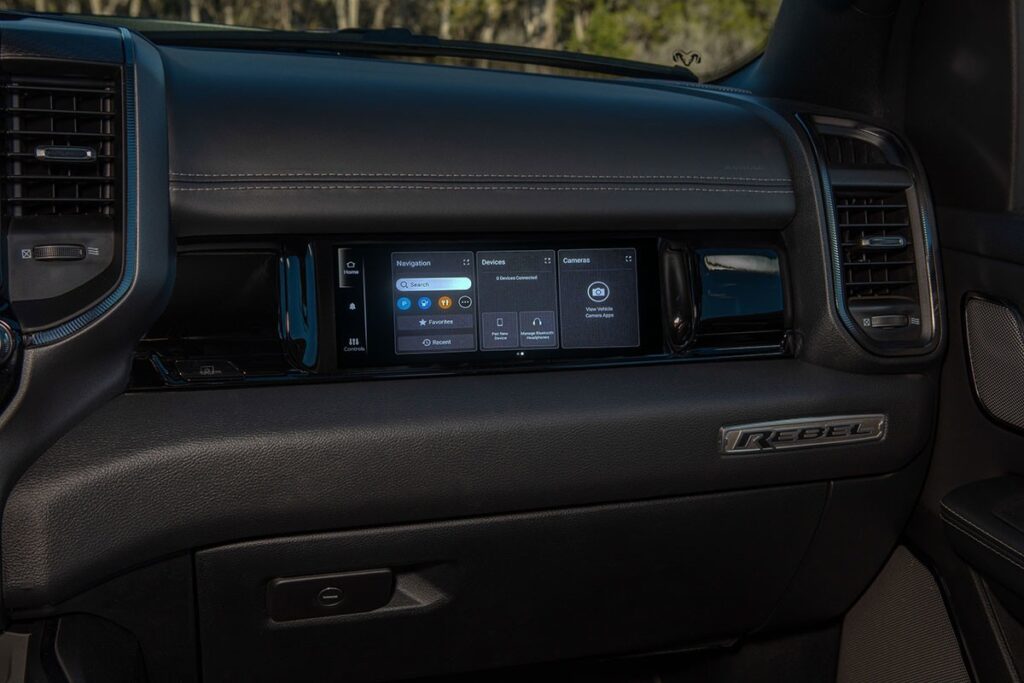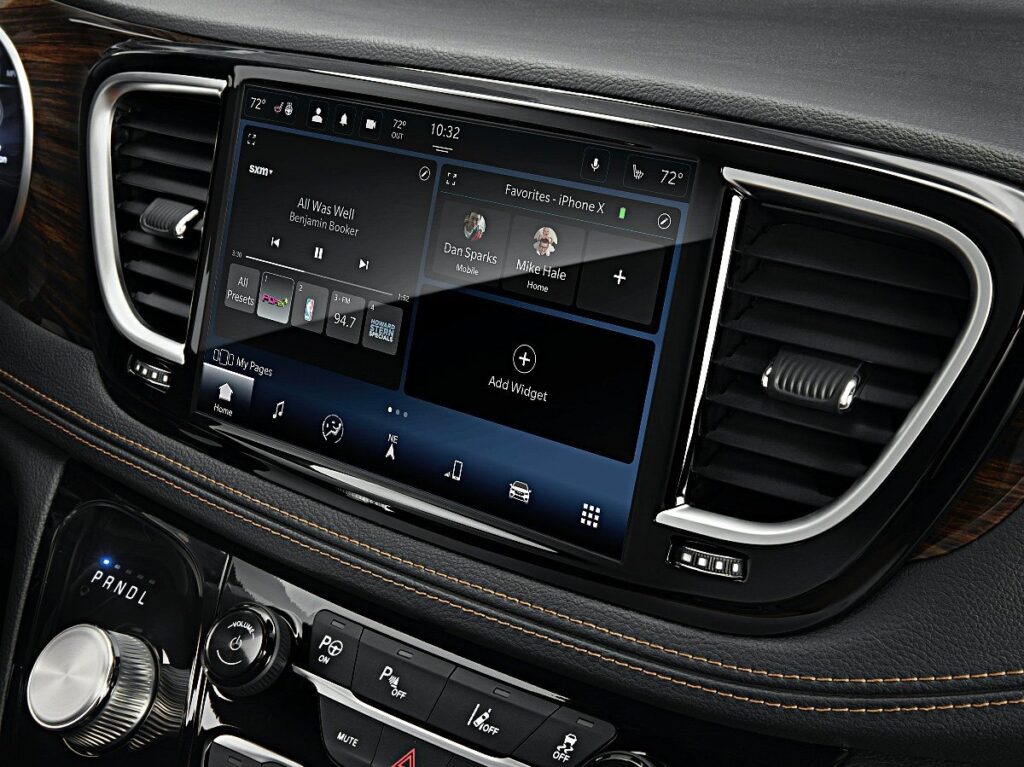
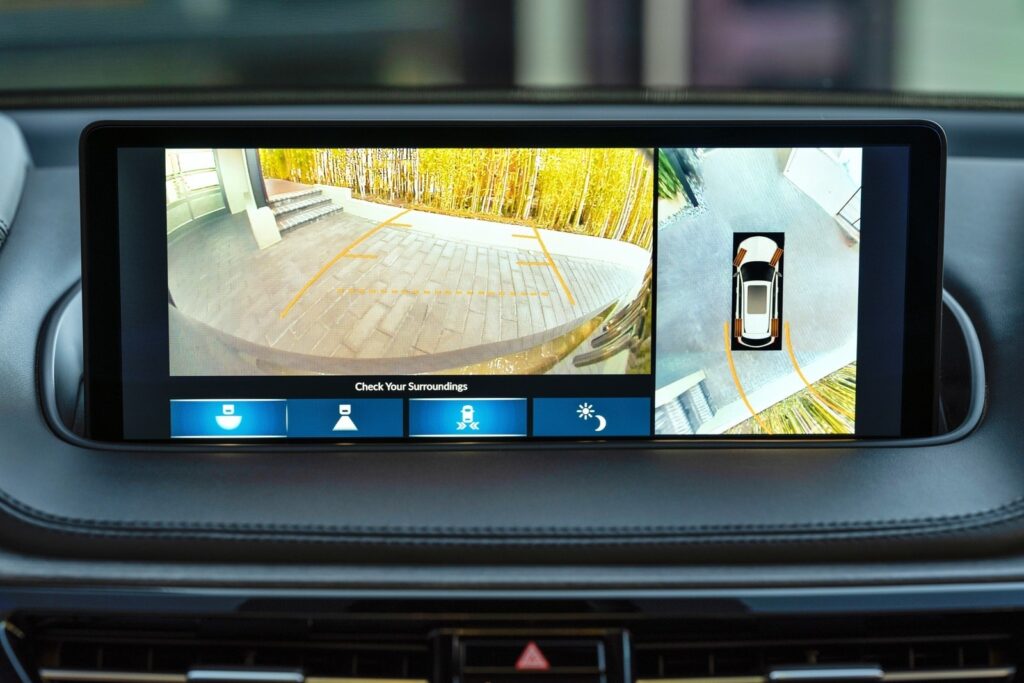
You start the vehicle. The screen turns on. When you shift into reverse, the backup camera displays perfectly.
But outside of reverse, nothing works.
The touchscreen may be frozen. The home screen won’t load. Audio doesn’t play. Controls are unresponsive.
If the camera works, how can everything else fail?
In modern vehicles, this situation is actually very common — and it usually points to a software or programming issue, not a bad screen.
Why the Backup Camera Still Works
Backup cameras are treated as a safety priority system.
When you shift into reverse, the body control module forces the camera feed to display. This signal overrides many infotainment failures. Even if the main operating system doesn’t fully load, the vehicle will still trigger the reverse camera for safety reasons.
So the camera working does not mean the radio is fully functional.
Common Causes of This Problem
Incomplete or Incorrect VIN Programming
Modern infotainment modules are VIN-locked. They must be programmed to match the vehicle’s trim level, audio system, installed features, and network configuration.
If the module is not properly programmed, it may partially boot but fail to initialize media, navigation, touchscreen functions, or audio. The backup camera will still appear because it operates on a separate trigger.
This is one of the most common causes.
Amplifier Communication Failure
Vehicles equipped with factory amplifiers rely on digital communication between the radio and the amp.
If the radio is not coded for a premium sound system, does not recognize the amplifier, or is configured incorrectly, the amplifier may not power on. When that happens, the system can appear frozen or inactive, even though the display turns on.
Secure Gateway Restrictions
Many modern vehicles use secure gateway modules to block unauthorized programming.
If the radio has not been unlocked properly, is not aligned with the vehicle network, or has not been authorized, certain features can remain disabled. The reverse camera will still function because it is triggered directly by the vehicle when shifting into reverse.
Software Corruption or Failed Update
An interrupted programming session or incorrect firmware version can cause the infotainment system to partially load.
Symptoms may include a blank home screen, frozen interface, no response to touch, or missing menus.
Again, the reverse camera still works because it bypasses parts of the infotainment operating system.
Network Configuration Issues
Modern radios communicate with multiple modules over CAN bus or Ethernet networks.
If the radio is not properly aligned with the body control module, digital cluster, or gateway module, the system may not fully authenticate. When that happens, non-essential functions can stay inactive while safety features remain operational.
What This Usually Is Not
If the backup camera displays clearly, the screen itself is rarely defective.
A failed display panel would typically prevent all visuals — including the camera — from appearing.
This issue is almost always related to VIN programming, software configuration, module alignment, or secure gateway authorization — not a broken screen.
The Bottom Line
Modern infotainment systems are no longer standalone radios. They are networked computers that must authenticate with multiple modules before functioning fully.
When the backup camera works but nothing else does, the fix is usually proper programming and configuration — not replacing the screen.
In today’s vehicles, correct setup makes the difference between a frustrating install and a factory-level upgrade.