
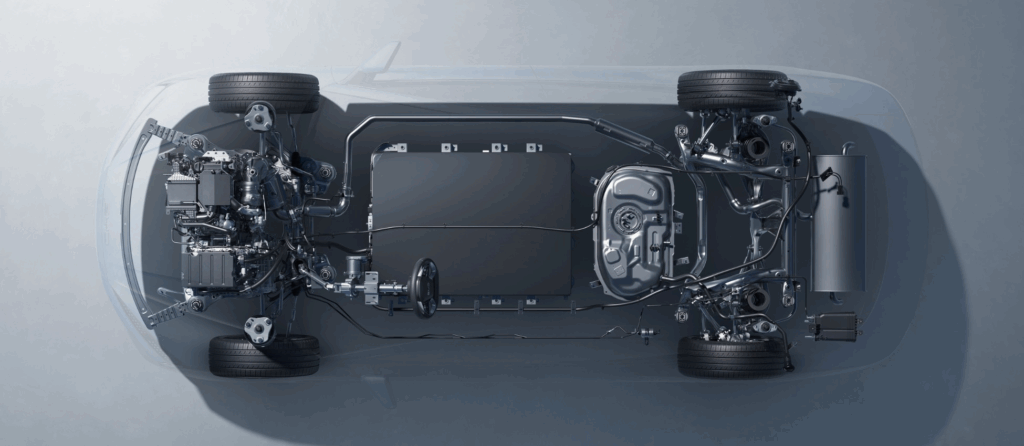
As electric vehicles become more common, terms like “single motor” and “dual motor” are showing up more frequently in specifications. While both setups power electric vehicles effectively, they offer very different driving characteristics, performance levels, and capabilities.
Understanding the difference between these configurations helps explain how EVs are designed for different types of drivers and use cases.
What Is a Single Motor EV?
A single motor electric vehicle uses one electric motor to drive either the front wheels or the rear wheels. This setup is similar to traditional front-wheel-drive or rear-wheel-drive vehicles.
Single motor systems are typically:
- More energy efficient
- Less complex
- Lower in cost
- Lighter in weight
Because there is only one motor, energy consumption is reduced, which can help maximize driving range. These setups are commonly found in entry-level or range-focused EV models.
What Is a Dual Motor EV?
A dual motor electric vehicle uses two electric motors — one for the front axle and one for the rear axle. This creates an all-wheel-drive (AWD) system without the need for a traditional mechanical drivetrain.
Dual motor systems provide:
- Power to all four wheels
- Improved traction and stability
- Higher overall performance
- Faster acceleration
Each motor can operate independently, allowing the vehicle to adjust power distribution in real time based on driving conditions.
Performance Differences
One of the biggest differences between single and dual motor EVs is performance. Dual motor setups deliver significantly more power and faster acceleration because both motors work together.
They also enable advanced torque vectoring, where power is distributed between the front and rear wheels to improve handling and control. This is especially useful in slippery conditions or during aggressive driving.
Single motor EVs, while still quick compared to traditional gas vehicles, prioritize efficiency over maximum performance.
Efficiency and Range Considerations
Single motor EVs generally offer better efficiency because they have fewer components and lower energy demand. With only one motor drawing power, they can often achieve longer range on the same battery capacity.
Dual motor EVs consume more energy, especially under acceleration, because both motors are active. However, many systems can disengage one motor during steady cruising to improve efficiency.
In real-world driving, the difference in range depends heavily on driving style and conditions.
Traction and Driving Conditions
Dual motor EVs have a clear advantage in traction. With power delivered to both axles, they perform better in snow, rain, and off-road conditions.
The system can instantly adjust how much power each axle receives, improving grip and stability without relying on traditional mechanical systems.
Single motor vehicles, while still capable, may struggle more in low-traction environments depending on whether they are front-wheel or rear-wheel drive.
Cost and Complexity
Single motor EVs are generally more affordable due to their simpler design. Fewer components mean lower manufacturing costs and potentially lower maintenance requirements.
Dual motor systems add complexity, cost, and weight. However, they also provide a more premium driving experience with better performance and capability.
For many buyers, the decision comes down to whether they prioritize efficiency and cost or performance and traction.
Which One Is Right for You?
The choice between single motor and dual motor EVs depends on how the vehicle will be used.
Drivers focused on commuting, efficiency, and maximum range may prefer a single motor setup. Those looking for better performance, all-weather capability, and quicker acceleration may benefit from a dual motor system.
Both configurations offer the core advantages of electric vehicles — smooth power delivery, instant torque, and reduced emissions.
Final Thoughts
Single motor and dual motor EVs represent two different approaches to electric vehicle design. One focuses on efficiency and simplicity, while the other emphasizes performance and capability.
As EV technology continues to evolve, both setups will remain relevant, offering drivers the flexibility to choose a vehicle that matches their needs and driving style.