
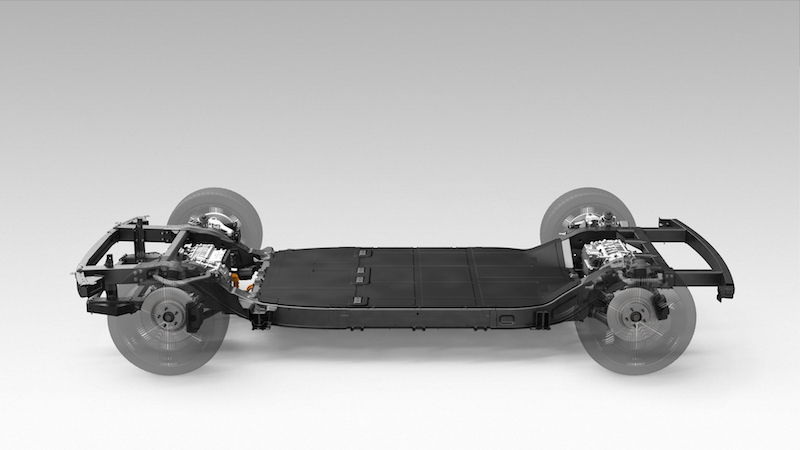
Electric vehicles are often associated with heavy battery packs and increased overall weight. While batteries are essential for range and performance, they also introduce one of the biggest challenges in EV design: managing weight without sacrificing efficiency.
To address this, automakers are increasingly turning to lightweight materials. These materials are becoming a key factor in improving range, performance, and overall efficiency in modern electric vehicles.
Why Weight Matters More in EVs
In any vehicle, weight affects performance, handling, and efficiency. In electric vehicles, the impact is even more significant. Heavier vehicles require more energy to accelerate, reduce overall range, and place greater strain on components such as brakes and suspension.
Because battery packs already add substantial weight, reducing mass in other areas becomes critical. Every kilogram saved contributes directly to improved efficiency and extended driving range.
Materials Replacing Traditional Steel
Traditional steel has long been the foundation of automotive construction, but EVs are driving a shift toward alternative materials. Aluminum is now widely used in body panels, frames, and structural components due to its strength-to-weight ratio.
Carbon fiber is another material gaining attention, particularly in high-performance EVs. It offers exceptional strength while being significantly lighter than steel, although its cost currently limits widespread use.
Advanced composites and high-strength alloys are also being developed to balance durability, safety, and weight reduction.
Battery Integration and Structural Design
One of the most important innovations in EV design is integrating the battery pack into the vehicle’s structure. Instead of treating the battery as a separate component, manufacturers are designing it as part of the chassis.
This approach, often referred to as a structural battery design, reduces redundant materials and lowers overall weight. It also improves rigidity and safety while maximizing interior space.
By combining structural and energy storage functions, automakers can achieve greater efficiency without compromising strength.
Impact on Range and Performance
Reducing weight has a direct effect on how far an electric vehicle can travel. A lighter vehicle requires less energy to move, which translates into improved range without increasing battery size.
Performance also benefits from weight reduction. Acceleration becomes more responsive, handling improves, and braking distances can decrease. For electric vehicles, which already deliver instant torque, reducing weight further enhances driving dynamics.
Balancing Cost and Efficiency
While lightweight materials offer clear advantages, they also introduce cost considerations. Materials like carbon fiber and advanced composites are more expensive to produce and repair compared to traditional steel.
Automakers must balance these costs with efficiency gains. As manufacturing processes improve and demand increases, the cost of lightweight materials is expected to decrease, making them more accessible across a wider range of vehicles.
The Future of Lightweight EV Design
The push for lighter vehicles is expected to continue as EV technology evolves. Innovations in material science, combined with new manufacturing techniques, will play a major role in shaping the next generation of electric vehicles.
Future developments may include:
- More widespread use of composite materials
- Improved aluminum and alloy structures
- Fully integrated structural battery systems
- New hybrid materials combining strength and flexibility
These advancements will help improve efficiency without relying solely on larger battery packs.
Final Thoughts
Lightweight materials are becoming a critical part of electric vehicle design. As manufacturers work to improve range, performance, and efficiency, reducing weight offers one of the most effective solutions.
Rather than simply increasing battery capacity, the industry is focusing on smarter engineering. By combining advanced materials with innovative design, electric vehicles are becoming more efficient, more capable, and better suited for everyday use.