In modern vehicles, not every problem requires replacing parts. In fact, many issues that appear to be hardware failures are often caused by software glitches. As vehicles become more dependent on digital systems, a simple software reset can sometimes fix problems that would otherwise lead to unnecessary replacements.
Understanding when a reset is the solution can save time, money, and frustration.
Why Modern Vehicles Depend on Software
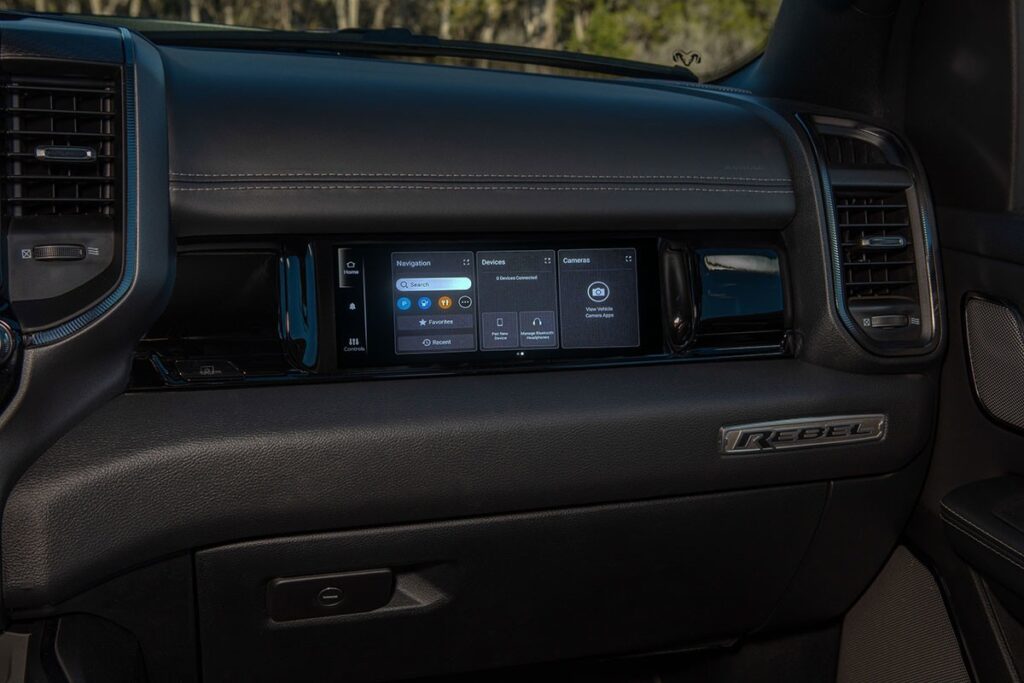
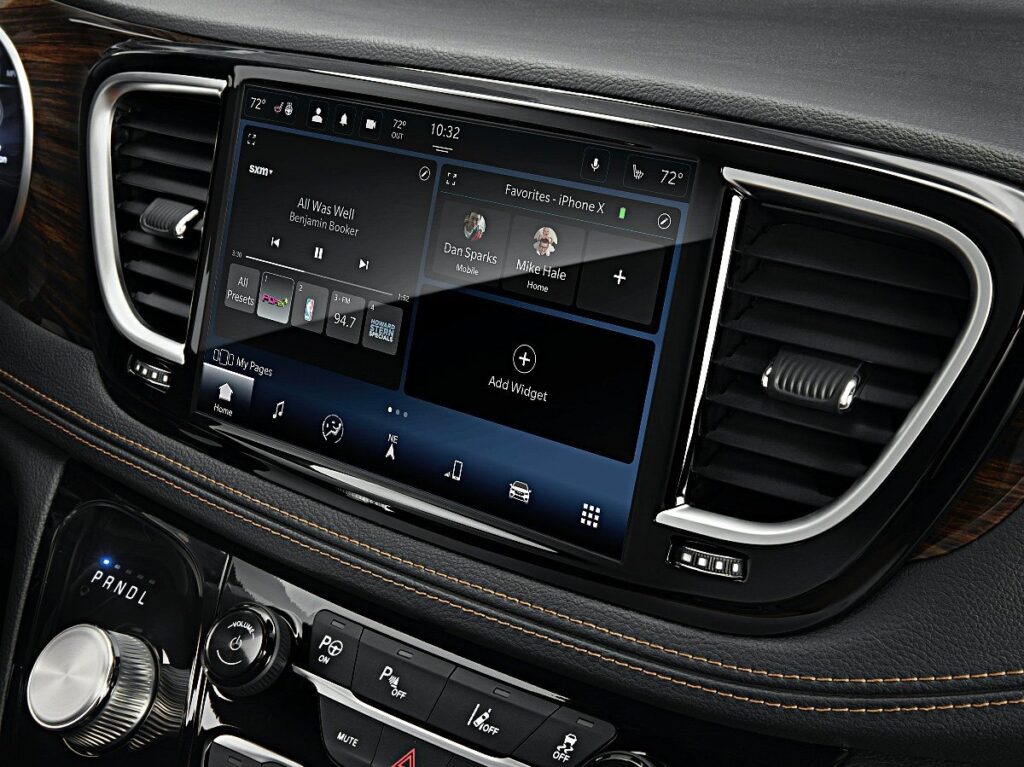
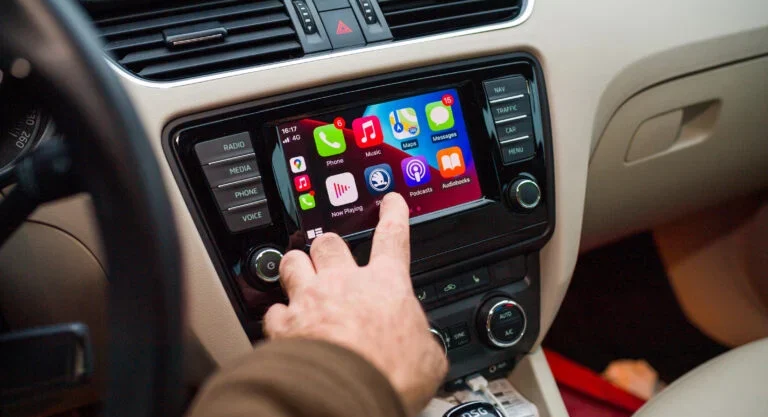
Today’s vehicles operate through a network of interconnected control modules. Systems like infotainment, climate control, driver assistance, and even powertrain functions rely heavily on software to operate correctly.
When software behaves unexpectedly, it can create symptoms that mimic hardware failure. Screens may freeze, features may stop responding, or systems may behave inconsistently — all without any physical damage to the components.
Common Issues Caused by Software Glitches
Software-related issues can present themselves in many ways. A touchscreen may stop responding even though the display works. Audio may cut out intermittently. Navigation may fail to load, or settings may reset unexpectedly.
In some cases, systems may fail to communicate with each other properly, leading to missing features or delayed responses. These issues can appear serious, but often originate from temporary software conflicts rather than permanent faults.
What a Software Reset Actually Does
A software reset clears temporary data, restarts system processes, and reinitializes communication between modules. It allows the system to start fresh, removing glitches that may have developed over time.
This process is similar to restarting a computer or smartphone. It does not replace any components but restores proper system behavior by resetting the operating environment.
When a Reset Solves the Problem
There are many situations where a software reset can resolve issues that seem more serious than they are. Frozen infotainment systems, unresponsive controls, delayed startup times, and connectivity problems are often resolved through a reset.
Even features like backup cameras, Bluetooth connections, and navigation systems can return to normal after the system is properly restarted.
In these cases, replacing hardware would not only be unnecessary but ineffective.
When a Reset Is Not Enough
While resets can solve many problems, they are not a universal solution. If a component is physically damaged or if there is a deeper programming issue, a reset alone will not fix the problem.
Persistent issues, complete system failure, or repeated errors may indicate the need for reprogramming, module replacement, or further diagnostics.
Understanding the difference between a temporary glitch and a true hardware issue is key.
The Cost of Misdiagnosis
Replacing a module when the issue is software-related can be costly and time-consuming. In some cases, new components may still not function properly if the underlying issue is configuration or software-related.
This is why proper diagnosis is essential before replacing any electronic component in a modern vehicle.
Final Thoughts
As vehicles continue to evolve into software-driven systems, troubleshooting must evolve as well. Not every issue requires new parts — sometimes, the solution is as simple as a reset.
Recognizing when software is the root cause can prevent unnecessary repairs and ensure systems are restored quickly and effectively. In many cases, the simplest fix is also the correct one.