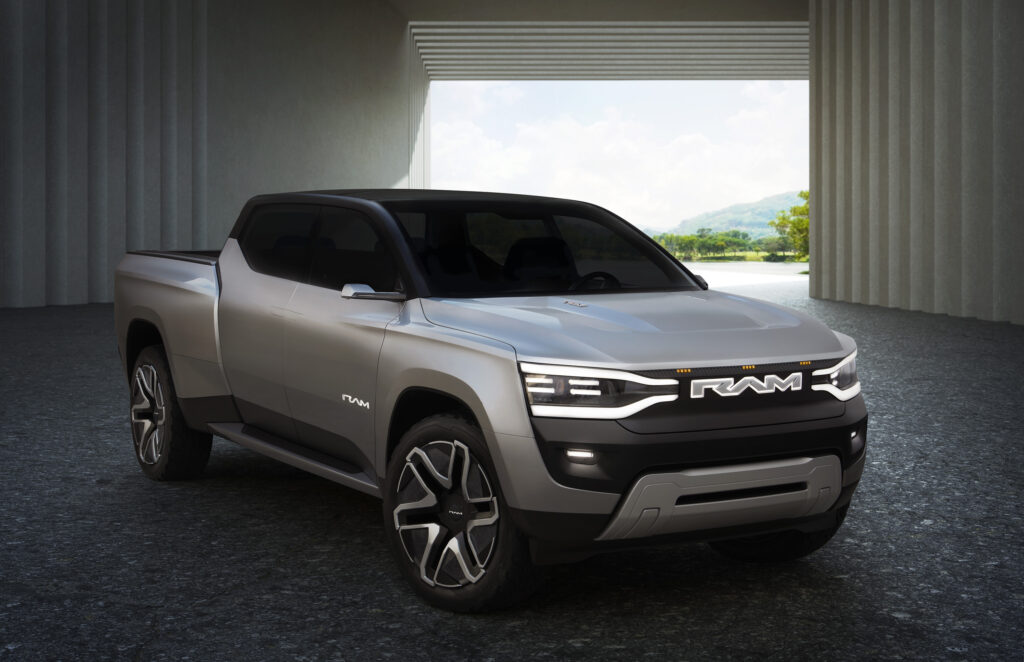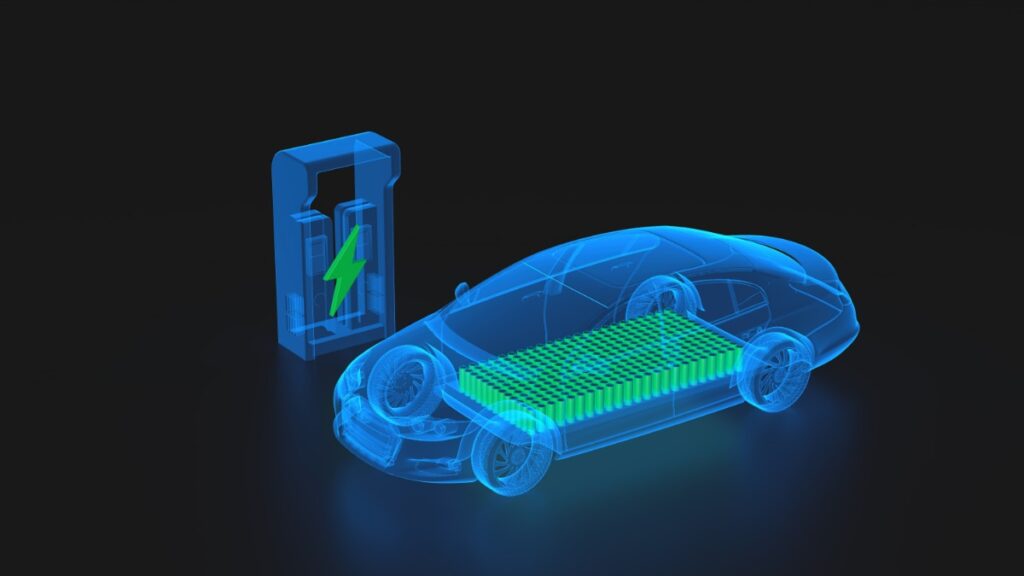
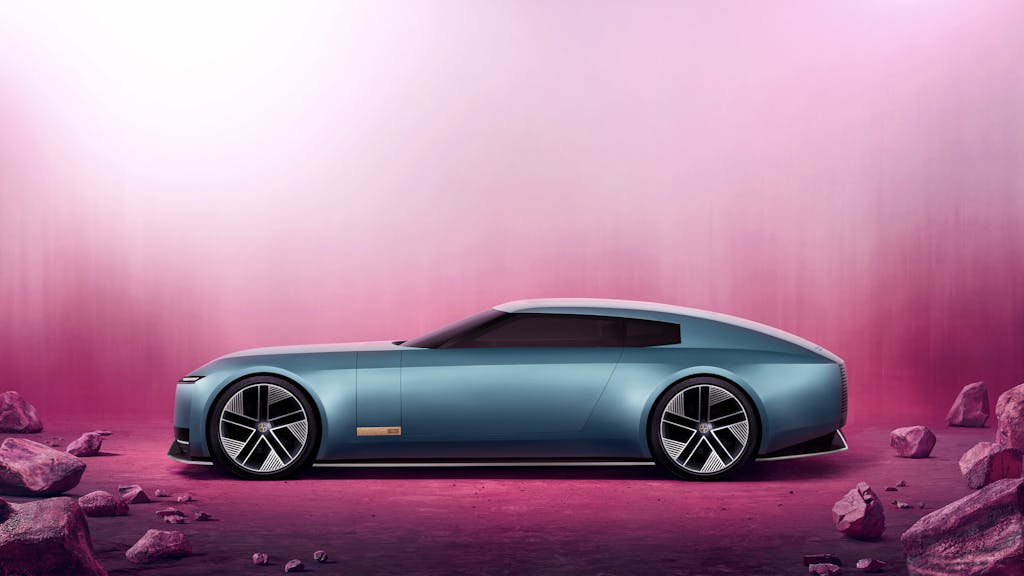
Concept vehicles have always served as a glimpse into the future of the automotive industry. While many people focus on dramatic exterior styling or futuristic interiors, the real purpose of concept cars often lies beneath the surface. These vehicles allow manufacturers to experiment with new electronic architectures, advanced computing systems, and digital interfaces that will eventually make their way into production vehicles.
In many cases, the electronics introduced in concept cars shape the direction of the industry for years to come.
Digital Cockpits Replacing Traditional Dashboards
One of the most noticeable trends in modern concept vehicles is the shift toward fully digital cockpits. Traditional analog gauges and mechanical controls are increasingly replaced with large displays that span the dashboard. These digital environments allow manufacturers to customize how information is presented to the driver.
Concept vehicles often feature curved displays, augmented reality head-up systems, and configurable instrument clusters that adapt depending on driving conditions. This approach allows drivers to prioritize navigation, vehicle performance data, or driver-assistance information without being limited by fixed physical gauges.
As computing power inside vehicles improves, these digital dashboards are becoming more advanced and responsive.
Centralized Computing Platforms
Another major area where concept vehicles push boundaries is computing architecture. Historically, vehicles relied on dozens of independent electronic control units, each responsible for a specific function. Modern concept vehicles are beginning to consolidate these systems into centralized computing platforms.
Instead of many smaller modules, powerful domain controllers manage entire categories of vehicle functions such as infotainment, driver assistance, and vehicle dynamics. This approach reduces wiring complexity, simplifies system updates, and improves communication between components.
Centralized computing also allows manufacturers to introduce new software features through updates long after the vehicle leaves the factory.
Advanced Sensor Integration
Concept vehicles frequently debut advanced sensor technologies that support future safety and autonomous capabilities. Cameras, radar units, lidar systems, and ultrasonic sensors are integrated into the vehicle to provide a comprehensive understanding of the surrounding environment.
These sensors feed data into onboard computers that analyze traffic conditions, road markings, pedestrians, and other vehicles. The processing power required for these systems continues to grow, and concept vehicles often demonstrate how next-generation processors can handle these tasks more efficiently.
This sensor-driven approach is essential for the development of advanced driver assistance systems and future autonomous driving technologies.
Software-Defined Vehicle Platforms
One of the most important ideas showcased by concept vehicles today is the concept of the software-defined vehicle. Instead of hardware determining vehicle capabilities, software becomes the central element controlling features and functionality.
In a software-defined platform, features can be enabled, improved, or added through software updates. Infotainment systems, driving modes, driver assistance features, and even powertrain behavior can be modified without replacing hardware.
Concept vehicles demonstrate how this flexibility allows vehicles to evolve throughout their lifecycle rather than remaining fixed at the moment of purchase.
New Interior Interaction Technologies
Concept vehicles also experiment with new ways drivers and passengers interact with vehicle systems. Touchscreens remain important, but manufacturers are exploring voice control, gesture recognition, eye tracking, and haptic feedback systems.
These technologies aim to reduce driver distraction while providing faster access to information and vehicle controls. In some concepts, the interior adapts dynamically depending on whether the vehicle is being driven manually or operating in an assisted driving mode.
The goal is to create a cabin environment that feels more intuitive and connected to the driver’s needs.
The Road From Concept to Production
While not every feature introduced in a concept vehicle reaches production, many of the electronic systems showcased eventually influence real vehicles. Technologies such as digital clusters, advanced infotainment systems, and driver assistance features were once experimental ideas displayed only at auto shows.
Today, those innovations are common in everyday vehicles.
Concept vehicles serve as testing grounds where manufacturers can explore bold ideas without production constraints. Over time, the most practical and successful technologies make their way into future models.
Final Thoughts
Concept vehicles are far more than design exercises. They are laboratories for the next generation of automotive electronics. From digital cockpits and centralized computing to advanced sensors and software-defined platforms, these vehicles preview the technologies that will define the cars of tomorrow.
As automotive technology continues advancing, concept vehicles will remain the first place where the future of vehicle electronics becomes visible.