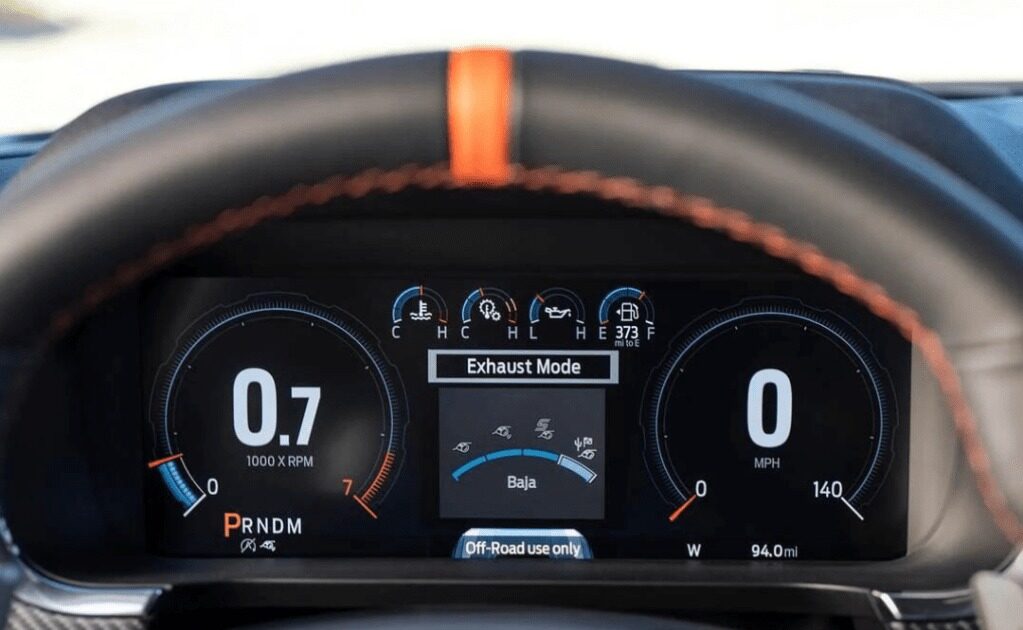
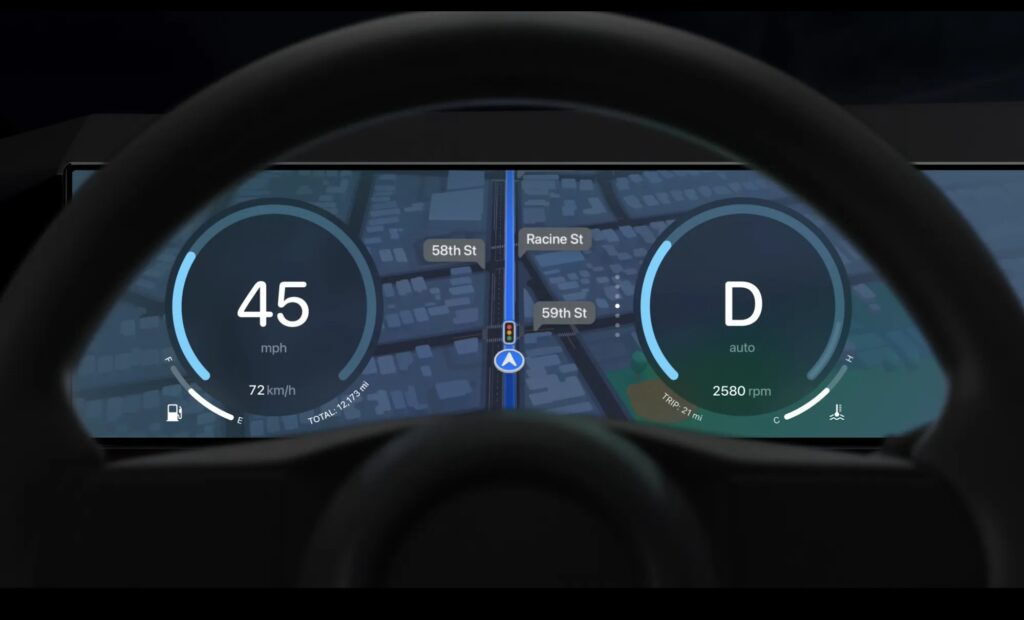
For years, the center infotainment screen was the focal point of in-car technology. Navigation, media, vehicle settings, and apps all lived in the middle of the dashboard. Today, that’s changing. Digital instrument clusters are quickly becoming the primary interface between the driver and the vehicle — and in many cases, the most important screen in the cabin.
Looking to upgrade your vehicle?
Shop full digital cluster upgrades here
From Gauges to Information Hubs
Traditional instrument clusters were limited to speed, RPM, fuel level, and warning lights. Modern digital clusters now display:
Turn-by-turn navigation
ADAS and safety visualizations
Blind-spot and lane-keeping graphics
Battery or fuel efficiency data
Trailer, towing, and off-road information
Driver monitoring alerts
Instead of acting as a passive display, the cluster has become an active information hub that adapts to driving conditions in real time.
Safety Is Driving the Change
One of the biggest reasons clusters are taking priority is driver safety. Automakers want drivers to keep their eyes forward, not down or to the side.
By placing critical information directly behind the steering wheel:
Drivers spend less time glancing at the center screen
ADAS alerts are easier to notice and understand
Navigation cues appear closer to the road view
Reaction time improves during emergencies
Tighter Integration With ADAS
Digital clusters are now tightly integrated with ADAS systems. When lane assist, adaptive cruise control, or collision avoidance is active, the cluster visually shows what the car “sees” — lanes, vehicles, pedestrians, and obstacles.
This transparency builds trust and makes advanced systems easier to understand.
Customization and Personalization
Unlike analog gauges, digital clusters can change instantly. Drivers can choose layouts based on preference or driving mode:
Minimal mode for highway cruising
Sport mode with performance-focused visuals
Navigation-focused layouts
Off-road or towing-specific views
Many systems now save these preferences per driver profile.
The Role of Software and OTA Updates
Digital clusters are software-defined. That means automakers can:
Add new layouts or themes
Improve animations and clarity
Introduce new vehicle data displays
Refine ADAS visualizations
All through over-the-air updates — extending the life of the hardware.
Clusters vs Center Screens: A New Balance
Rather than replacing center infotainment screens, digital clusters are redefining responsibilities:
Cluster: driving, safety, navigation cues, vehicle status
Center screen: apps, media, settings, deeper controls
This separation creates a more intuitive cockpit.
Looking Ahead
As vehicles move toward augmented reality HUDs and AI-driven interfaces, the digital cluster will only become more central. What started as a replacement for analog gauges is now evolving into the core driver display for modern vehicles.
Interested in upgrading your dashboard experience?
Shop full digital cluster upgrades here